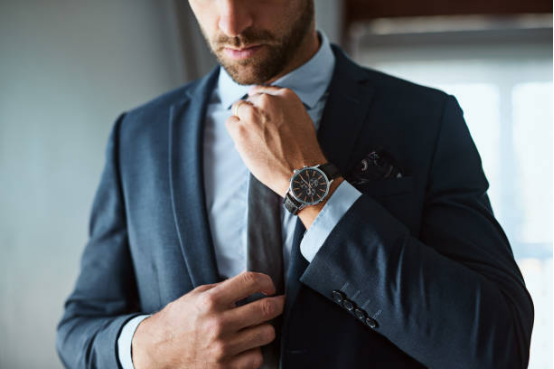
For the modern gentleman, a watch is rarely just a device for measuring hours and minutes. It is a silent communicator, a masterpiece of micro-engineering, and a cornerstone of personal style. Whether you are a seasoned collector or a novice looking for your first serious timepiece, understanding the synergy between mechanical complexity and aesthetic presentation is essential. This guide serves as a comprehensive resource for navigating the technical landscapes of watch movements, the diverse categories of watch styles, and the nuanced etiquette of matching your watch to your wardrobe.
Understanding Watch Movements: The Heart of Timekeeping
The “movement” of a watch, also known as the caliber, is the internal mechanism that powers the timekeeping functions. Choosing a movement is the first step in defining what kind of watch owner you want to be. The choice between mechanical and quartz reflects a preference for either traditional craftsmanship or modern precision.
Mechanical Movements: The Traditional Choice
Mechanical movements are powered by a mainspring that must be wound. These are favored by enthusiasts for the incredible level of detail and tradition involved in their creation. They can be subdivided into two categories:
- Manual Wind: The wearer must regularly turn the crown to tension the mainspring. This creates a ritualistic connection between the owner and the machine.
- Automatic (Self-Winding): These feature a weighted rotor that spins with the movement of the wearer’s wrist, automatically winding the mainspring. They offer the charm of mechanics with the convenience of daily wear.
Quartz Movements: Precision and Reliability
Introduced in the late 1960s, quartz movements use a battery to send an electric current through a small quartz crystal, causing it to vibrate at a precise frequency. These movements are incredibly accurate, often losing only a few seconds per month, and require very little maintenance beyond a battery change every few years.

Defining Your Aesthetic: Essential Watch Styles
Every watch is designed with a specific purpose in mind, which dictates its appearance and functionality. Selecting the right style ensures that your timepiece complements the environment you inhabit, whether it is a boardroom or a diving boat.
| Watch Style | Key Characteristics | Best Occasion |
|---|---|---|
| Dress Watch | Thin case, minimal dial, leather strap | Black tie, formal business |
| Diver Watch | Rotating bezel, high water resistance, luminous hands | Casual, water sports, daily wear |
| Chronograph | Sub-dials, stopwatch function, sporty look | Casual, racing, technical settings |
| Pilot Watch | Large dial, high contrast, oversized crown | Travel, casual, aviation enthusiasts |
The Elegance of the Dress Watch
The primary goal of a dress watch is to be unobtrusive. It should be thin enough to slip easily under a shirt cuff and simple enough not to distract from a formal ensemble. Typically, these watches lack complications like chronographs or heavy bezels, focusing instead on precious metals and high-quality leather straps.
The Robustness of the Tool Watch
Tool watches, including divers and pilot watches, are built for utility. A diver’s watch must adhere to strict ISO standards for water resistance and legibility in the dark. Meanwhile, pilot watches prioritize “at-a-glance” readability, often featuring large Arabic numerals and a “flieger” style design that dates back to early 20th-century aviation.

The Art of Matching: Watches and Clothing
Matching a watch to your clothing is an exercise in balance. The general rule of thumb is that the formality of the watch should match the formality of the outfit. A rugged diver’s watch might look out of place with a tuxedo, just as a delicate gold dress watch might seem fragile when paired with athletic gear.
Formal and Business Attire
For formal events, stick to the classics. A gold or silver watch with a black or brown leather strap is the gold standard. In a business professional setting, a high-end stainless steel watch with a metal bracelet (such as a classic “President” or “Oyster” style) provides a sense of authority and reliability without being overly flashy.
Casual and Smart-Casual Styles
This is where versatility shines. Smart-casual outfits—think chinos and a button-down—allow for chronographs or field watches. If you are wearing denim and a T-shirt, a diver’s watch or a watch with a NATO strap adds a rugged, adventurous edge to your look.

Coordinating Details: Metals, Leathers, and Colors
To achieve a truly “put-together” look, you must pay attention to the smaller details of your timepiece. Coordination between your watch and your other accessories is what separates an amateur from a connoisseur.
Matching Metals and Leathers
The metal of your watch case should ideally match the other metals you are wearing. If your belt buckle, cufflinks, or rings are silver-toned, your watch should be stainless steel, white gold, or platinum. If you prefer gold accessories, a yellow or rose gold watch is the appropriate choice.
Similarly, leather should match leather. A black leather watch strap should be paired with black leather shoes and a black belt. Brown leather offers more flexibility, but you should still aim to keep the tones (warm vs. cool browns) within the same family to maintain visual harmony.
Dial Color Considerations
While black and white dials are the most versatile, colored dials are increasingly popular. A blue dial is a fantastic “all-rounder” that pairs excellently with grey, navy, and brown suits. More vibrant colors like green or orange are best reserved for casual settings where the watch can serve as a statement piece.

The Psychological Dimension: A Watch as an Attitude
Beyond aesthetics and mechanics, a watch represents a man’s attitude toward life. In an age where smartphones provide perfectly synced digital time, choosing to wear a mechanical watch is a deliberate nod to history and craftsmanship. It signals that the wearer values permanence over the disposable nature of modern technology.
A Symbol of Status and Achievement
For many, a luxury watch is a milestone marker. It represents a promotion, a graduation, or a significant life event. Wearing a well-chosen timepiece communicates a level of professional success and attention to detail. It suggests that if a man cares enough to maintain a complex mechanical instrument on his wrist, he likely applies that same level of care to his work and relationships.
Expression of Personality
Your choice of watch tells a story. A vintage chronograph might suggest an appreciation for history and racing; a minimalist Bauhaus-style watch suggests a love for modern design and “less is more” philosophy. By selecting a watch that resonates with your personal values, you turn a functional object into an extension of your identity.

Practical Guidelines for Selecting Your First Luxury Watch
Investing in a high-quality watch requires careful consideration. It is not merely about the price tag, but about the value the watch brings to your life over decades of use.
- Research the Heritage: Brands with long histories often offer better resale value and more robust servicing networks.
- Consider the Size: Ensure the “lug-to-lug” distance fits your wrist. A watch that is too large looks clunky, while one that is too small may look dated.
- Think About Maintenance: Mechanical watches require servicing every 5-10 years. Factor these costs into your long-term budget.
- Versatility First: For your first major purchase, choose a “GADA” (Go Anywhere, Do Anything) watch—typically a steel sports watch with 100m water resistance.

Maintaining Your Timepiece: Longevity and Care
A fine watch can last multiple lifetimes if properly maintained. Since these are precision instruments, they are susceptible to environmental factors like magnetism, moisture, and physical shock.
Magnetism: Keep your mechanical watch away from strong magnets found in speakers, laptops, and refrigerator doors, as they can cause the hairspring to stick, making the watch run fast. Cleaning: Use a soft microfiber cloth to wipe down the case and crystal daily. If the watch is water-resistant, a soft toothbrush and mild soap can be used on metal bracelets to remove accumulated oils and dirt.

Frequently Asked Questions (FAQ)
- Q1: Should I buy a quartz or mechanical watch for my first purchase?
- If you value convenience and accuracy above all else, quartz is excellent. However, if you want a piece of “living” history and plan to keep the watch for a lifetime, a mechanical (automatic) watch is generally the preferred entry point into the world of horology.
- Q2: Can I wear a diver’s watch with a suit?
- Yes, this has become widely acceptable thanks to icons like James Bond. However, ensure the diver is relatively slim and features a high-quality finish. A bulky, plastic-cased sports watch is still considered a faux pas in formal settings.
- Q3: How often should I service my automatic watch?
- Most manufacturers recommend a full service every 5 to 8 years. Even if the watch is keeping good time, the internal lubricants can dry out, leading to increased friction and wear on the delicate gears.
- Q4: How do I know if a watch is too big for my wrist?
- The most important metric is the “lug-to-lug” width. If the lugs (the parts where the strap attaches) extend past the edges of your wrist, the watch is too large. Ideally, there should be a bit of wrist visible on either side of the lugs.
- Q5: Does the color of the watch face need to match my clothes?
- It does not need to be an exact match, but it should complement the palette. Black, white, and silver dials are neutral. Blue dials act as a “new neutral” and pair well with almost anything except perhaps very formal black-tie attire.


