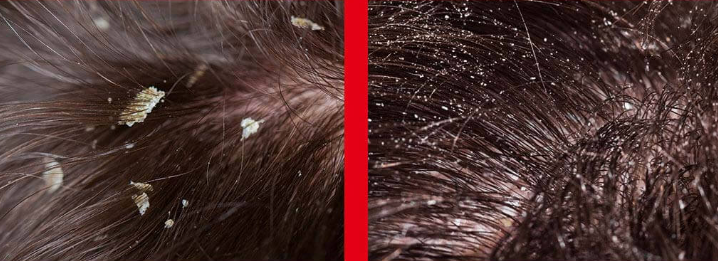
A healthy scalp is the foundation of healthy hair, yet it’s an area often overlooked until problems arise. Issues like persistent dandruff, an uncomfortably itchy scalp, or excessive oiliness can be more than just a minor annoyance; they can impact confidence and comfort. Understanding the complex ecosystem of your scalp is the first step toward finding a lasting solution. This guide provides a deep dive into the common causes of scalp distress and offers a comprehensive strategy, from identifying triggers to implementing a targeted care regimen, to restore balance and achieve a clean, comfortable, and flake-free scalp.
Understanding the Root Causes of Dandruff and Scalp Issues
Dandruff and related scalp conditions are not simply a matter of poor hygiene. They are often complex issues with multiple contributing factors. Identifying the specific cause is crucial for effective treatment. The most common culprit is a microscopic, yeast-like fungus that lives on the scalps of most adults, but other factors can trigger or worsen the condition.
The Role of Malassezia Globosa
The primary driver behind most cases of dandruff is a fungus called Malassezia globosa. This microorganism feeds on the natural oils (sebum) on your scalp. As it breaks down the sebum, it produces oleic acid as a byproduct. For about 50% of the population, this acid causes a negative reaction, leading to irritation and an accelerated rate of skin cell turnover. The scalp tries to shed these irritated cells more quickly, causing them to clump together with oil, forming the visible white or yellowish flakes we identify as dandruff.
Oily, Irritated Skin (Seborrheic Dermatitis)
Seborrheic dermatitis is a more severe form of dandruff. It’s a common skin condition that causes red skin, stubborn dandruff, and greasy scales. It can affect not only the scalp but also other oily areas of the body, such as the face, sides of the nose, eyebrows, ears, and chest. This condition is closely linked to an overgrowth of Malassezia and a strong inflammatory response from the body.
Improper Washing Habits
There is a delicate balance when it comes to washing your hair. Not shampooing often enough can lead to a buildup of oils and skin cells on the scalp, creating an ideal environment for Malassezia to thrive. Conversely, over-washing, especially with harsh, stripping shampoos, can dry out the scalp. A dry scalp can produce small, dry flakes and trigger the sebaceous glands to overproduce oil to compensate, creating a vicious cycle of irritation and oiliness.
Dry Skin and Environmental Factors
Sometimes, the flakes are not caused by excess oil but by its opposite: a very dry scalp. Dandruff flakes from dry skin are typically smaller and less oily than those from seborrheic dermatitis. This condition is often worse during cold, dry winter months and can be exacerbated by indoor heating. Differentiating between dry scalp and oily dandruff is key, as they require different treatment approaches.
Sensitivity to Hair Care Products
Known as contact dermatitis, this condition occurs when your scalp reacts negatively to certain ingredients in your hair care products. Fragrances, preservatives, sulfates, and silicones are common culprits. This sensitivity can cause a red, itchy, and flaky scalp. If you notice symptoms appearing after switching to a new product, it may be the source of your irritation.

A Comprehensive Approach to Treating Dandruff
Effectively managing dandruff requires a multi-faceted strategy that combines targeted treatments with consistent, healthy habits. It’s not just about washing away flakes but about rebalancing the scalp’s microbiome and addressing the underlying inflammation and cell turnover issues. This involves selecting products with proven active ingredients and adopting a routine that supports long-term scalp health.
Key Ingredients in Anti-Dandruff Products
When selecting a shampoo or scalp treatment, look for specific active ingredients known to combat the causes of dandruff. Understanding what these ingredients do can help you choose the most effective product for your specific needs.
- Pyrithione Zinc: This ingredient has antibacterial and antifungal properties, directly targeting the Malassezia globosa fungus.
- Ketoconazole: A broad-spectrum antifungal agent that is very effective at controlling fungus and is often found in both over-the-counter and prescription-strength formulas.
- Salicylic Acid: This helps to exfoliate the scalp, loosening and washing away existing scale and flakes, which can improve the efficacy of other antifungal ingredients.
- Selenium Sulfide: This agent slows the turnover of skin cells and also has antifungal properties.
- Coal Tar: A classic treatment that works by slowing down the rate at which skin cells on the scalp die and flake off.
The Importance of a Consistent Scalp Care Routine
Consistency is paramount. Using a medicated or targeted scalp care product sporadically will not yield lasting results. For active flare-ups, you may need to use a specialized shampoo daily or every other day. Once symptoms are under control, you can often maintain results by using the product one to three times a week, alternating with a gentle, regular shampoo. Following product instructions carefully is essential for both safety and effectiveness.

Targeted Solutions: Shampoos, Serums, and Bars
The modern hair care market offers a diverse range of innovative products designed to tackle specific scalp concerns. Moving beyond traditional medicated shampoos, consumers can now find serums, solid shampoo bars, and scientifically formulated cleansers that provide relief while also delivering a pleasant user experience. These products often focus on balancing the scalp with gentle yet effective ingredients.
For Oil Control and Dandruff Relief: The Viori Shampoo Bar
For those struggling with both excess oil and dandruff, the Viori Shampoo Bar offers a unique solution. Its solid format is eco-friendly and concentrated, but its true strength lies in its formulation. Designed to provide powerful oil control, it helps to regulate sebum production without harshly stripping the scalp. This allows the scalp to “breathe easy,” reducing the greasy environment where Malassezia thrives. Users often report a significant reduction in both oiliness and flaking, achieving a cleaner, more balanced scalp that stays fresh for longer.
Soothing Itchy, Greasy Scalps: How Briogeo’s Scalp Serum Works
An itchy, greasy scalp can be incredibly frustrating. Briogeo’s Scalp Serum is a targeted treatment that addresses this specific combination of symptoms. Unlike a shampoo that is rinsed out, a serum is a leave-in treatment that provides continuous benefits. Briogeo’s formula is designed to soothe inflammation and irritation directly at the source, providing immediate relief from itching. It simultaneously helps to balance oil production over time, making it a powerful tool for those who feel their scalp is constantly in a state of distress. Its lightweight texture absorbs quickly without leaving a greasy residue.
The Silicone-Free Advantage: Bare Anatomy’s Cleansing Spa
Silicones can provide a temporary feeling of smoothness, but they can also build up on the scalp, trapping oil and debris and potentially exacerbating scalp issues. Bare Anatomy’s Scalp Cleansing line champions a silicone-free approach. By avoiding these heavy ingredients, the formula allows for a true, deep clean that purifies the scalp and follicles. Their products are scientifically balanced to remove impurities and excess sebum while maintaining the scalp’s natural moisture barrier, offering a “spa-like” experience that resets scalp health and promotes a clean foundation for hair growth.

Building Your Ultimate Scalp Care Regimen
Creating a truly effective scalp care regimen involves more than just shampooing. It’s a multi-step process that addresses exfoliation, cleansing, conditioning, and treatment. By layering products correctly and choosing formulas that work in harmony, you can create a comprehensive routine that maintains scalp balance and prevents future flare-ups.
Step 1: Pre-Shampoo Treatment and Exfoliation
Before you even get your hair wet, a pre-shampoo treatment can make a significant difference. This can be a scalp scrub with physical exfoliants or a chemical exfoliant with ingredients like salicylic acid. This step helps to lift and remove dead skin cells, product buildup, and excess oil, allowing your shampoo to work more effectively on the surface of the scalp.
Step 2: Choosing and Using the Right Shampoo
Select a shampoo based on your primary scalp concern. If you have oily dandruff, a product with oil-controlling and antifungal properties is best. If you have a dry, flaky scalp, a more hydrating, soothing formula is needed. When shampooing, focus on massaging the product directly into the scalp with your fingertips for at least 60 seconds to allow the active ingredients to penetrate.
Step 3: Conditioning Without Clogging Pores
Conditioner is essential for hair health, but it can be detrimental to the scalp if applied incorrectly. Always apply conditioner from the mid-lengths to the ends of your hair, avoiding the roots and scalp area entirely. This prevents the heavy, moisturizing ingredients from clogging hair follicles and contributing to buildup and oiliness.
Step 4: Post-Wash Serums and Leave-in Treatments
This is where targeted treatments like the Briogeo Scalp Serum come into play. After washing and towel-drying your hair, apply a few drops of a scalp serum directly to the scalp. These concentrated formulas deliver active ingredients that work to soothe, balance, and protect the scalp throughout the day or night. They are the final, crucial step in maintaining a healthy scalp environment between washes.
Frequently Asked Questions (FAQ)
- What is the difference between dandruff and a dry scalp?
- The key difference lies in the appearance and cause. Dandruff, often caused by an overgrowth of fungus and excess oil, results in larger, yellowish, and oily flakes. A dry scalp, caused by a lack of moisture, produces smaller, white, and dry flakes. A dry scalp will often feel tight and itchy, and other parts of your body may also have dry skin.
- Can dandruff cause hair loss?
- While dandruff itself does not directly cause hair loss, the associated inflammation and intense scratching can. Constant, aggressive scratching can damage hair follicles, leading to inflammation (folliculitis) and temporary hair shedding. By effectively treating the underlying cause of the itch and dandruff, you can prevent this type of hair loss.
- How often should I wash my hair if I have dandruff?
- This depends on the severity and type of dandruff. For oily dandruff (seborrheic dermatitis), washing daily or every other day with a targeted anti-dandruff shampoo is often recommended to control oil and fungus levels. Once the condition is under control, you can reduce the frequency to 2-3 times per week. For a dry, flaky scalp, washing less frequently (2-3 times a week) with a gentle, moisturizing shampoo is usually better.
- Are silicone-free products better for a sensitive scalp?
- For many people with sensitive or dandruff-prone scalps, yes. Silicones can create a film on the scalp that traps sebum, sweat, and dead skin cells, which can worsen irritation and fungal growth. Silicone-free products, like those from Bare Anatomy, allow the scalp to be thoroughly cleansed, reducing the risk of buildup and clogged follicles, which often leads to a healthier scalp environment.
- When should I see a dermatologist for my scalp issues?
- If you have tried over-the-counter treatments consistently for several weeks without any improvement, it’s time to see a dermatologist. You should also seek medical advice if your scalp is extremely red, painful, bleeding, or if you are experiencing significant hair loss. A dermatologist can accurately diagnose the condition (which could be psoriasis or another issue) and prescribe stronger, more effective treatments.


