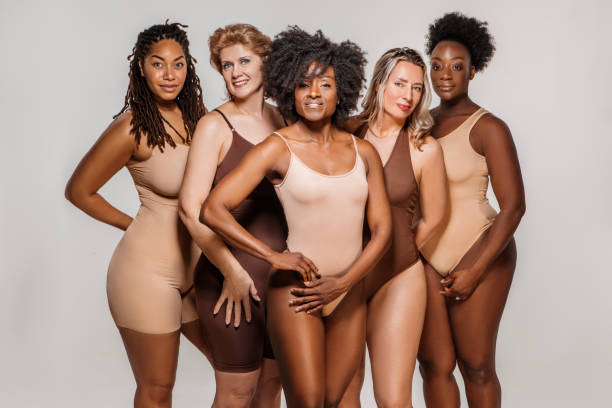
The Science and Mechanics of Modern Shapewear
Shapewear has evolved significantly from the rigid corsetry of the past, transitioning into a sophisticated garment category that leverages textile engineering to alter the body’s silhouette. At its core, the efficacy of shapewear relies on compression mechanics—the application of targeted pressure to specific areas of the body to redistribute soft tissue and provide structural support.
Understanding Compression Dynamics
Compression is not merely about “squeezing” the body; it is about creating a consistent, supportive environment that aligns with the body’s natural contours. When high-quality fabrics, such as elastane blends or power-mesh, are applied correctly, they offer a dual benefit: smoothing the external appearance and providing proprioceptive feedback that can improve posture.
- Targeted Compression: Focuses on mid-section, thighs, or glutes to create a seamless transition between skin and fabric.
- Breathable Elasticity: Modern materials allow for skin ventilation while maintaining the tension required for shaping.

Posture Improvement and Biomechanical Benefits
Beyond the cosmetic appeal, shapewear serves as a functional tool for musculoskeletal health. Many users report standing taller and experiencing less lower back fatigue when wearing properly fitted compression garments. This occurs because the garment acts as a secondary support system for the core muscles.
How Shapewear Stabilizes the Spine
By providing gentle, consistent pressure around the torso, shapewear reminds the wearer to engage their core muscles. This “invisible support” encourages better alignment of the spine, which in turn reduces the likelihood of slouching during long hours of sitting or standing.
| Benefit Type | Mechanism | Result |
|---|---|---|
| Postural Support | Core engagement feedback | Reduced back strain |
| Injury Prevention | Tissue stabilization | Less muscle oscillation |

Determining the Ideal Pressure Range
A common misconception is that “tighter is better.” In reality, excessive pressure can lead to discomfort, skin irritation, and even restricted circulation. Identifying the ideal pressure range is critical for long-term wearability and effectiveness.
Signs of Improper Fit
If your shapewear leaves deep red indentations on your skin that persist for hours, or if it causes difficulty in breathing, it is likely too tight. The goal is a “second-skin” feel that provides support without compromising bodily functions.
- The Breath Test: You should be able to take a full, deep breath without restriction.
- The Movement Test: You should be able to sit, stand, and walk naturally without the garment rolling or digging into your skin.
Psychological Impact and Body Image
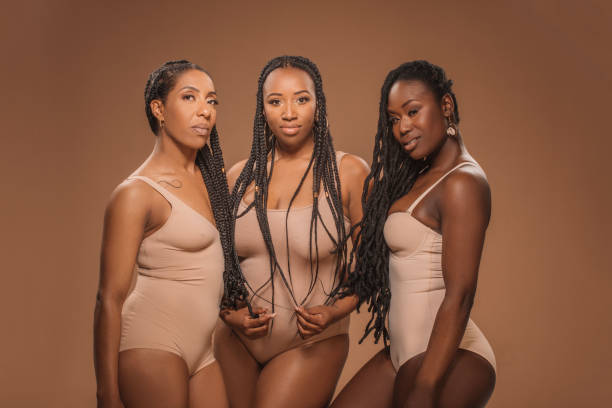
The relationship between shapewear and body anxiety is complex. While it can serve as a “confidence booster” for special occasions, it should not be viewed as a permanent solution to body dissatisfaction. True confidence comes from making peace with one’s body, while shapewear acts as a tool to enhance personal style.
Avoiding the Mirror Trap
It is essential to distinguish between using shapewear as a tool for aesthetic preference and using it as a mask for deeper body image issues. Healthy usage involves wearing pieces that make you feel comfortable and empowered, rather than pieces worn out of a sense of obligation to meet unrealistic standards.
Frequently Asked Questions (FAQ)
- Q1: Can wearing shapewear to sleep help you lose weight?
- No. Shapewear does not burn fat or promote weight loss. Wearing it to sleep is generally discouraged as it can restrict circulation and breathing, potentially causing discomfort or health issues during the night.
- Q2: Why do celebrities rely on shapewear?
- Celebrities use shapewear to create a smooth, seamless silhouette under high-fashion garments. It helps clothes drape better and provides a consistent shape that looks uniform under stage lighting and flash photography.
- Q3: How do I know if my shapewear is effective?
- Effective shapewear should be virtually invisible under clothing, provide a noticeable smoothing effect, and maintain its elasticity over time. If it causes pain, it is ineffective regardless of the aesthetic result.
- Q4: Is it normal for shapewear to feel restrictive?
- It should feel firm and supportive, but never painful. If you feel restricted in your range of motion, you have likely chosen a size that is too small or a compression level that is too high for your needs.


