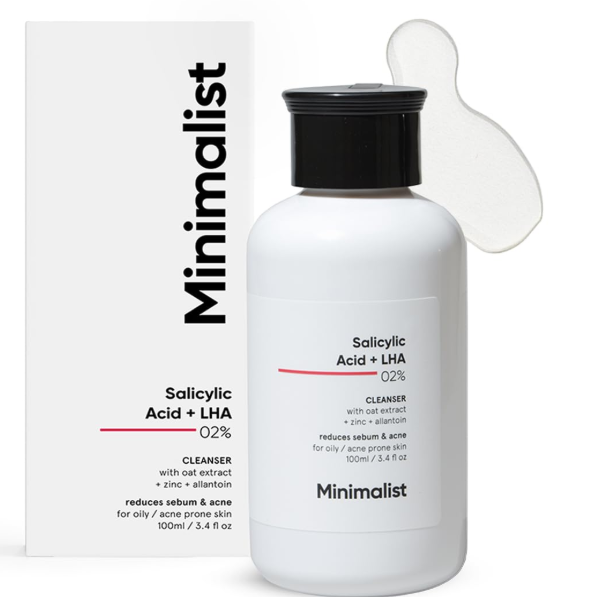
In the evolving landscape of dermatological science, the transition from physical scrubs to chemical exfoliants marks a significant milestone in how we treat acne-prone and textured skin. Chemical exfoliation utilizes Alpha Hydroxy Acids (AHAs) and Beta Hydroxy Acids (BHAs) to dissolve the “glue” that holds dead skin cells together, allowing for a smoother, clearer complexion without the micro-tears often caused by abrasive particles. This guide synthesizes high-performance strategies for both facial and body care, focusing on the synergistic effects of active ingredients like Salicylic Acid, Lactic Acid, and Ceramides.
The Science of Salicylic Acid in Acne Management
Salicylic Acid, a oil-soluble Beta Hydroxy Acid (BHA), is the gold standard for treating acne-prone skin. Unlike AHAs which are water-soluble and work primarily on the skin’s surface, BHA can penetrate deep into the lipid layers of the pores. This capability allows it to dissolve sebum and cellular debris that lead to blackheads, whiteheads, and inflammatory acne lesions.
How BHA Penetrates the Lipid Layer
The molecular structure of Salicylic Acid allows it to bypass the skin’s natural oils. Once inside the pore, it acts as a keratolytic agent, meaning it softens and sheds the outer layer of the skin. This process not only clears existing blockages but also prevents the formation of new microcomedones. In high-quality formulations, such as those found in minimalist anti-acne cleansers, a 2% concentration is typically utilized to provide maximum efficacy while minimizing the risk of irritation.
The Role of Zinc and LHA in Sebum Regulation
Modern anti-acne cleansers often supplement Salicylic Acid with secondary actives like Zinc and LHA (Lipohydroxy Acid). Zinc serves as a potent anti-microbial and anti-inflammatory agent, helping to reduce the redness associated with active breakouts. LHA, a derivative of Salicylic Acid, provides a slower, more targeted exfoliation. Because LHA has a larger molecular size, it penetrates the skin more slowly than BHA, making it an excellent companion for those with sensitive yet acne-prone skin. This combination ensures that the skin is not only exfoliated but also calmed and balanced.

Dual-Action Exfoliation: Combining AHAs and BHAs for Body Care
Body skin is often thicker and more resilient than facial skin, yet it is prone to specific conditions like Keratosis Pilaris (KP) and body acne (bacne). Addressing these issues requires a dual-action approach that combines the deep-cleaning power of BHAs with the surface-refining properties of AHAs.
Lactic Acid and Skin Hydration
Lactic Acid is a prominent AHA known for its dual ability to exfoliate and hydrate. Unlike other acids that can be drying, Lactic Acid is a natural humectant; it helps the skin retain moisture by increasing the production of natural oils and ceramides in the skin barrier. In a body wash context, Lactic Acid works to gently lift away dead skin cells on the surface, revealing smoother skin underneath and preparing the skin to absorb moisturizing treatments more effectively.
Treating Keratosis Pilaris and Body Breakouts
Keratosis Pilaris, often referred to as “strawberry skin,” occurs when keratin plugs the hair follicles. By utilizing a body wash that incorporates both Salicylic Acid and Lactic Acid, users can address both the plug (via BHA) and the rough surface texture (via AHA). This combination ensures that the skin remains soft and free of the small, red bumps characteristic of KP. Furthermore, the anti-bacterial properties of the formulation help manage body breakouts caused by sweat and friction during physical activity.

Maintaining the Skin Barrier During Active Treatment
A common pitfall in chemical exfoliation is over-stripping the skin, which leads to a compromised skin barrier, increased sensitivity, and “rebound” oiliness. To prevent this, top-tier formulations include barrier-repairing ingredients that work alongside the exfoliating acids.
The Essential Role of Ceramides
Ceramides are lipid molecules found naturally in the skin’s stratum corneum. They act as the “mortar” between skin cell “bricks,” preventing moisture loss (Transepidermal Water Loss) and shielding the skin from environmental irritants. When using potent exfoliants like Salicylic Acid, the inclusion of Ceramides in the cleanser or body wash is crucial. This ensures that while dead cells are being removed, the underlying barrier is being reinforced, resulting in skin that feels “plump” and hydrated rather than tight and dry.
Formulating for Minimal Irritation
The best chemical exfoliants are those that exclude common irritants. This includes being fragrance-free, sulfate-free, and essential oil-free. Fragrances and essential oils are frequent culprits for contact dermatitis, especially when the skin barrier is being actively exfoliated. Furthermore, maintaining a physiological pH (around 5.5) ensures that the skin’s acid mantle remains intact, discouraging the growth of acne-causing bacteria while promoting a healthy microbiome.

Implementation Guide: Choosing the Right Cleanser for Your Skin Type
Not all skin types require the same intensity of exfoliation. Understanding how to integrate these products into a daily routine is key to achieving long-term results without causing damage.
| Skin Concern | Recommended Active Ingredients | Application Frequency |
|---|---|---|
| Active Acne / Oily Face | 2% Salicylic Acid, Zinc, LHA | Once daily or every other day |
| Body Acne / Strawberry Skin | Salicylic Acid + Lactic Acid | 3-4 times per week |
| Sensitive / Dry Skin | Lactic Acid + Ceramides | 1-2 times per week |
| Congested Pores | 2% Salicylic Acid | 2-3 times per week |
Oily and Acne-Prone Facial Routines
For individuals with excessively oily skin or frequent breakouts, a 2% BHA cleanser can be used as the primary treatment step. It is recommended to massage the cleanser onto damp skin for at least 60 seconds to allow the Salicylic Acid to penetrate the pores before rinsing. Following up with a lightweight, non-comedogenic moisturizer is essential to seal in hydration and prevent the skin from overcompensating with more oil production.
Full-Body Exfoliation Strategies
When using an exfoliating body wash, focus on areas prone to roughness or breakouts, such as the back, chest, and upper arms. For maximum efficacy in treating Keratosis Pilaris, allow the product to sit on the skin for 2-3 minutes before rinsing. This “short-contact therapy” allows the Lactic and Salicylic acids to work more deeply on the keratin plugs without the irritation that might come from a leave-on treatment.

Long-term Skin Health and Preventative Care
Consistency is the most important factor in chemical exfoliation. While some users may see immediate improvements in skin smoothness, the full benefits of acne reduction and pore refinement typically take 4 to 6 weeks to manifest, aligning with the skin’s natural turnover cycle.
Sun Protection and Exfoliation
It is imperative to note that AHAs, such as Lactic Acid, can increase the skin’s sensitivity to the sun. Even though BHAs are generally less sensitizing in this regard, the removal of the top layer of dead skin cells leaves the newer skin underneath more vulnerable to UV damage. Therefore, the daily application of a broad-spectrum SPF 30 or higher is non-negotiable when using any exfoliating product. Failure to do so can lead to post-inflammatory hyperpigmentation (PIH) and premature aging.
Monitoring Skin Feedback
Always listen to your skin. If you experience excessive peeling, stinging, or persistent redness, reduce the frequency of use. Skincare is not “one size fits all,” and the goal should always be to achieve a healthy, glowing barrier rather than “squeaky clean” skin that is actually stripped and vulnerable.
Frequently Asked Questions (FAQ)
- Q1: Can I use a Salicylic Acid cleanser and an exfoliating body wash on the same day?
- Yes, as long as they are applied to different areas (face vs. body). However, if you are using multiple exfoliating products on the same area of skin, you risk over-exfoliation. It is best to alternate days or use one in the morning and one at night if your skin can tolerate it.
- Q2: Will these products help with acne scars?
- Chemical exfoliants help with “post-inflammatory hyperpigmentation” (the dark spots left after a pimple heals) by speeding up cell turnover. However, for deep, pitted scars (atrophic scarring), topical acids are usually insufficient and may require professional treatments like microneedling or laser therapy.
- Q3: Is it normal for my skin to “purge” when I start using BHA?
- Yes, “purging” is common when starting BHA. Because Salicylic Acid cleans out the pores, it can bring existing underlying congestion to the surface faster than usual. This process typically lasts 2-4 weeks. If breakouts persist beyond 6 weeks or occur in areas where you don’t normally break out, it may be a reaction to the product rather than a purge.
- Q4: Can I use these products if I have eczema or psoriasis?
- Individuals with compromised skin conditions like eczema or psoriasis should exercise extreme caution. While Lactic Acid can be hydrating, the exfoliating nature of these products may trigger a flare-up. It is highly recommended to consult a dermatologist and perform a patch test on a small area before full application.
- Q5: Why is my skin feeling dry after using a “hydrating” exfoliating body wash?
- Even with hydrating ingredients like Lactic Acid and Ceramides, the act of cleansing and exfoliating can remove surface oils. Ensure you are not using water that is too hot, as this further strips the skin. Always apply a body lotion or cream immediately after patting your skin dry to lock in the moisture provided by the body wash.


