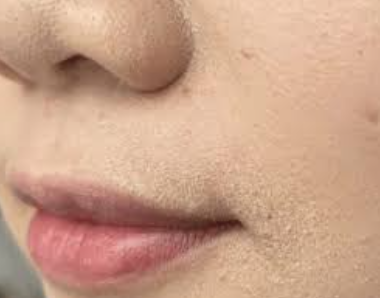
The quest for a perfect makeup base is universal. We all desire a foundation that looks like a second skin—smooth, radiant, and incredibly long-lasting. However, the reality is often a struggle against our skin’s natural tendencies. For some, it’s the midday shine and makeup meltdown caused by oily skin. For others, it’s the frustrating caking and patchiness that occurs when foundation clings to dry spots. Achieving a flawless finish is not just about the products you use; it’s a holistic process that begins with understanding your skin and mastering the right techniques. This guide will walk you through every essential step, from targeted skincare preparation to choosing the ideal base product and locking it in for hours of impeccable wear.
The Ultimate Pre-Makeup Skincare Routine
The most critical step to a flawless makeup application happens before you even pick up a foundation bottle. Your skin is the canvas, and a well-prepped canvas ensures the paint glides on smoothly and adheres properly. The right skincare routine creates a barrier that not only helps makeup last longer but also improves the health of your skin. The key is to tailor this routine specifically to your skin’s needs, whether it’s quenching thirsty dry skin or controlling excess sebum on oily skin.
Prepping Dry Skin for a Hydrated, Dewy Finish
For those with dry skin, the primary enemy is makeup that looks “cakey” or emphasizes fine lines and dry patches. The goal is to create a plump, hydrated surface. Start with a gentle, non-stripping cleanser. Follow up with a hydrating toner to restore moisture balance. The most crucial step is a rich, emollient moisturizer. Look for ingredients like hyaluronic acid, ceramides, and glycerin. Allow it to fully absorb for at least 5-10 minutes. Finally, a hydrating or illuminating primer is non-negotiable. It will smooth the skin’s texture and provide an extra layer of moisture, preventing the foundation from absorbing into the skin and becoming patchy.
Prepping Oily Skin for All-Day Matte Control
If you have oily skin, your main challenge is controlling shine and preventing makeup from breaking down and sliding off. Begin with a gentle cleanser that removes excess oil without over-drying, which can trigger more oil production. An oil-controlling or clarifying toner can help minimize the appearance of pores. Contrary to popular belief, oily skin still needs a moisturizer; opt for a lightweight, oil-free, gel-based formula. The star player for oily skin is a mattifying primer. These primers often contain ingredients like silica or silicone that absorb excess oil and create a smooth, velvety canvas for foundation, significantly extending its wear time.

Choosing Your Perfect Base: Foundation, BB, or CC Cream?
The world of base makeup has expanded far beyond traditional foundation. With options like BB creams and CC creams widely available, it can be confusing to know which one is right for you. The choice depends on your desired coverage, skin concerns, and the occasion. Understanding the distinct characteristics of each will empower you to select the perfect product for a truly flawless complexion.
Decoding Liquid Foundation
Liquid foundation is the classic choice for achieving significant coverage. It’s designed primarily to even out skin tone and conceal imperfections. Foundations come in a vast range of shades, undertones, and finishes—from dewy and satin to natural and matte. This versatility makes it the top choice for events, photography, or for anyone who desires a more polished, perfected look. Modern formulas, like the Maybelline New York Fit Me Matte + Poreless Foundation, offer a balance of lightweight feel and effective coverage, controlling shine without feeling heavy.
Understanding BB Creams (Beauty Balms)
BB creams are multi-tasking products that combine light coverage with skincare benefits. They typically offer hydration, SPF protection, and a sheer tint to even out the skin tone. A BB cream is an excellent choice for daily wear, “no-makeup” makeup looks, or for those with relatively clear skin who just want a subtle enhancement. It provides a more natural, skin-like finish than most foundations but won’t cover significant blemishes or discoloration.
Unveiling CC Creams (Color Correcting)
CC creams are a step up from BB creams in terms of coverage and are specifically formulated to address color-related skin issues like redness, sallowness, or hyperpigmentation. They contain light-diffusing particles and color-correcting pigments to neutralize imperfections and create a more uniform skin tone. If your primary concern is evening out discoloration while still enjoying skincare benefits and a natural finish, a CC cream is the ideal choice.
Comparison at a Glance
To simplify your decision, here is a direct comparison of the three base products:
| Feature | Liquid Foundation | BB Cream | CC Cream |
|---|---|---|---|
| Primary Purpose | Coverage and perfecting skin | Skincare with sheer coverage | Color correction with medium coverage |
| Coverage Level | Medium to Full | Sheer to Light | Light to Medium |
| Best For | Events, full makeup looks, covering imperfections | Daily wear, natural look, minimal imperfections | Redness, sallowness, uneven skin tone |
| Skincare Benefits | Often minimal, though some are infused with ingredients | High (hydration, SPF, antioxidants) | High (color correction, SPF, anti-aging) |

The Art of Foundation Application for a Seamless Finish
Once you’ve prepped your skin and chosen your product, the application technique becomes paramount. The goal is to create a seamless blend that looks natural, not like a mask. The right tools and methods can make all the difference between a streaky, uneven application and a flawless, airbrushed effect.
Finding Your Perfect Shade and Undertone
The most common foundation mistake is choosing the wrong shade. To find your perfect match, you must first identify your skin’s undertone—the subtle color beneath the surface.
- Cool Undertones: Your skin has hints of pink, red, or blue. Veins on your wrist appear blue.
- Warm Undertones: Your skin has hints of yellow, golden, or peach. Veins on your wrist appear green.
- Neutral Undertones: You have a mix of both cool and warm tones.
When testing a foundation shade, always swatch it on your jawline, not your hand or wrist. The right shade will disappear into your skin without any ashy or orange cast.
Step-by-Step Application Techniques
The tool you use—whether a brush, sponge, or your fingers—can significantly alter the finish of your foundation.
- Makeup Sponge: A damp beauty sponge is excellent for a natural, skin-like finish. Use stippling or bouncing motions to press the product into the skin. This method sheers out the product slightly and provides a seamless blend.
- Foundation Brush: For higher coverage, a dense foundation brush is ideal. Use buffing or circular motions to work the product in. This method is great for covering blemishes and achieving a more polished look.
- Fingers: The warmth of your fingers can help melt the product into the skin, offering a very natural and controlled application. This works well for BB/CC creams or sheer foundations.
Always start with a small amount of product in the center of your face and blend outwards. This ensures the most coverage where it’s typically needed (around the nose and mouth) and prevents a heavy buildup of product near the hairline.

Locking It In: Setting Makeup for Unbeatable Longevity
Applying your base perfectly is only half the battle; ensuring it stays put all day is the final, crucial step. Setting your makeup prevents it from creasing, transferring, and breaking down due to oil or environmental factors. The two primary tools for this are setting powder and setting spray, each serving a unique and vital function.
The Power of Setting Powder for Oil Control
Setting powder is a must-have, especially for oily and combination skin types. It works by absorbing excess oil and “setting” the liquid or cream products underneath, transforming them into a more durable, matte finish. Products like the Lakmé 9 to 5 Primer + Matte Powder Foundation Compact are excellent for this purpose, offering both oil control and a smooth, long-lasting matte effect.
- Light Dusting: For a natural finish, use a large, fluffy brush to lightly dust a translucent powder all over the face.
- Targeted Application: For oily areas like the T-zone, use a powder puff or a small brush to press the powder into the skin. This provides more robust oil control where you need it most.
- Baking: For maximum longevity, apply a thick layer of loose powder under the eyes and on the T-zone, let it sit for 5-10 minutes, and then sweep away the excess.
The Magic of Setting Spray to Fuse and Fortify
A setting spray is the final seal for your makeup. It’s a fine mist that works to meld all the layers of makeup (primer, foundation, powder) together, removing any powdery look and creating a more natural, skin-like finish. More importantly, it forms a protective film over your makeup, making it resistant to sweat, humidity, and friction. A quality product like the Swiss Beauty Makeup Fixer Natural can dramatically increase the lifespan of your look, keeping it fresh for hours. Simply hold the bottle about 8-10 inches from your face and spritz in an “X” and “T” formation to ensure even coverage.

Navigating Modern Formats: The Rise of Cushion Foundations
In addition to traditional liquids and powders, the makeup world has embraced innovative formats designed for modern lifestyles. Among the most popular is the cushion foundation, which offers the benefits of liquid foundation in a convenient, portable compact. This format is perfect for on-the-go application and touch-ups.
The Cushion Foundation Experience
Cushion foundations consist of a sponge soaked in a liquid base formula, housed in a compact with a special applicator puff. They are celebrated for their ability to deliver a thin, even, and often luminous layer of product. The Rom&nd Nu Zero Cushion, for example, is known for its lightweight texture and buildable coverage that aims to provide a flawless finish without feeling heavy. The key to a good cushion experience is the application: use the puff to press and tap the product onto the skin, rather than swiping. This technique builds coverage beautifully and creates an airbrushed effect. While many cushions offer excellent longevity, their finish can vary, so it’s important to choose one that aligns with your skin type and desired look—whether it’s a dewy glow or a semi-matte finish.
Pros and Cons of Cushion Compacts
Understanding the trade-offs of cushion foundations can help you decide if they are right for you.
- Pros: Extremely portable and easy for touch-ups, provides a natural and buildable finish, often infused with SPF and skincare ingredients.
- Cons: Can contain less product than a standard bottle of foundation, the applicator puff requires regular cleaning to prevent bacteria buildup, and some dewy formulas may not be ideal for very oily skin without proper setting.

Conclusion: Your Blueprint for a Flawless, Lasting Base
Achieving a foundation base that remains flawless all day is not a matter of magic, but a science of preparation, selection, and technique. By starting with a skincare routine that caters to your specific needs, you create the perfect canvas. By understanding the nuances between foundation, BB cream, and CC cream, you can choose the ideal product for any occasion. Finally, by mastering application and setting techniques, you can lock in your look for ultimate longevity. Armed with this knowledge, you can confidently conquer any makeup challenge and enjoy a radiant, perfect complexion from your morning coffee to your evening plans.
Frequently Asked Questions (FAQ)
- Why does my foundation look cakey and how can I fix it?
- Foundation often looks cakey due to two main reasons: improper skin prep or applying too much product. For dry skin, the cause is usually a lack of hydration, causing the foundation to cling to dry patches. To fix this, ensure you are thoroughly moisturizing and using a hydrating primer before application. For all skin types, start with a very small amount of foundation and build coverage only where needed. Applying with a damp sponge can also help sheer out the product for a more natural, skin-like finish.
- How can I make my makeup last all day in high humidity?
- Humidity is a major challenge for makeup longevity. The key is to create multiple thin, durable layers. Start with a mattifying or pore-filling primer. Apply a long-wear, oil-free foundation. Set your liquid products with a translucent setting powder, paying special attention to the T-zone. The final, non-negotiable step is a powerful setting spray. A good setting spray creates a protective barrier over your makeup, shielding it from moisture in the air.
- What is the real difference between a setting spray and a finishing spray?
- While often used interchangeably, they have different functions. A setting spray contains polymers that form a film to “lock in” your makeup, increasing its wear time and making it resistant to transfer and fading. A finishing spray is designed to meld the layers of makeup together, getting rid of any powdery or overly matte appearance to create a more seamless, skin-like look. Many modern products offer both setting and finishing benefits.
- Can I use a BB cream instead of foundation every day?
- Absolutely. A BB cream is an excellent choice for daily wear. It provides sheer coverage to even out skin tone while typically offering beneficial skincare ingredients like SPF and antioxidants. It’s lighter than a traditional foundation, making it more comfortable for long hours and better for your skin’s breathability. It’s perfect for a natural, polished look for work, school, or casual outings.
- How do I stop my makeup from creasing under my eyes?
- The under-eye area is prone to creasing due to fine lines and constant movement. First, ensure the area is well-hydrated with a lightweight eye cream. Use a minimal amount of a high-coverage, thin-consistency concealer. Immediately after blending the concealer, set it with a very fine, lightweight setting powder. Use a small brush or a damp sponge to press the powder in gently. This “sets” the concealer before it has a chance to settle into lines.


