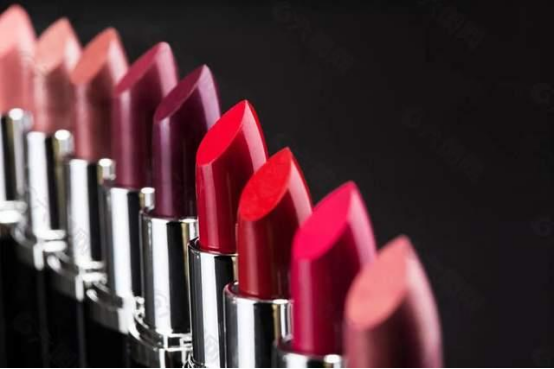
The world of lip makeup is no longer confined to a simple choice of color. In the modern beauty era, the texture, finish, and formulation of a product are just as critical as the hue itself. From the velvet-like serenity of matte lip glazes to the high-octane shine of mirror glazes, each product serves a specific aesthetic and functional purpose. Understanding these nuances is the key to transforming a standard makeup routine into a professional-grade artistic expression.
The Core Choice: Matte vs. Glossy Lip Finishes
The fundamental divide in lip aesthetics lies between matte and glossy finishes. This choice dictates the “mood” of the entire look. Matte products are characterized by their lack of reflection, offering a sophisticated, high-fashion appearance that emphasizes the natural or reshaped contour of the lips. Conversely, glossy finishes focus on light reflection, creating an illusion of volume and hydration.
The Sophistication of Matte Textures
Matte lipstick and lip glazes provide a high-saturation color payoff. Because they do not reflect light, the pigment remains true to the bottle or bullet. This makes them ideal for bold colors like deep reds, plums, and earthy tones. The primary appeal of matte is its longevity; once set, these formulas are often transfer-resistant, making them the preferred choice for long workdays or formal evening events where frequent touch-ups are impractical.
The Radiance of Glossy and Mirror Finishes
Glossy lip products, including traditional lip gloss and the more advanced mirror lip glaze, utilize light-reflecting particles or specialized film-forming agents to create a wet-look finish. This texture is exceptionally forgiving on dry lips, as the high shine masks fine lines and flakiness. Mirror glazes, in particular, provide a “glass-like” coating that makes the lips appear fuller and more youthful, capturing the essence of “flowing light” and serenity.

Exploring Lip Textures: Lipstick, Glaze, Mud, and Gloss
As cosmetic technology evolves, the lines between traditional product categories have blurred, leading to the rise of hybrid textures like lip mud and lip glaze. Each offers a unique tactile experience and visual result.
Lip Mud: The Artistic Contour
Lip mud is a relatively new innovation in the beauty world. It features a thick, “mud-like” consistency that is surprisingly lightweight upon application. Its primary strength is its blending capability. Unlike liquid lipsticks that dry down quickly, lip mud remains malleable for a few moments, allowing the user to create “smudged” or “blurred” lip borders, often referred to as the “soft-focus” effect. This texture is perfect for achieving a romantic, artistic look that feels soft to the touch.
Lip Glaze: The Versatile Hybrid
Lip glaze sits comfortably between a lipstick and a gloss. It offers the high pigmentation of a lipstick but maintains the fluid, moisturizing feel of a glaze. For those who find matte lipsticks too drying but find traditional glosses too sticky, the lip glaze is the perfect middle ground. It often features film-forming technology, which creates a thin, protective layer over the lips to lock in color while providing a healthy, subtle sheen.
Lip Gloss: The Secret of Hydration
Often considered the “container of sweet thoughts,” lip gloss is primarily about comfort and translucency. Modern glosses have moved away from the “sticky” formulas of the past, now incorporating nourishing oils and serums. They can be worn alone for a “clean girl” aesthetic or layered over matte lipsticks to add a dimension of light and moisture to a flat color.

Technical Comparison: Durability and Pigmentation
When selecting a product, it is essential to compare how these textures perform under different conditions. The following table provides a breakdown of the key performance metrics for each major lip category.
| Product Type | Pigment Density | Finish Type | Longevity | Hydration Level |
|---|---|---|---|---|
| Matte Lipstick | Very High | Flat/Velvet | 8-12 Hours | Low |
| Lip Mud | High | Soft Matte | 6-8 Hours | Medium |
| Lip Glaze | Medium-High | Satin/Glossy | 4-6 Hours | High |
| Mirror Lip Glaze | Medium | High Shine | 3-5 Hours | Very High |
| Lip Gloss | Low-Medium | Dewy/Shimmer | 1-3 Hours | Extreme |

Strategic Selection: Matching Lips to Occasions
Choosing the right lip product involves more than just color coordination; it requires matching the functional properties of the makeup to the environment and the wearer’s lip condition.
For Professional and Formal Settings
In high-stakes environments, matte lipstick or matte lip glaze is the gold standard. The lack of shine conveys a sense of authority and seriousness. Furthermore, the transfer-resistant nature of these products ensures that your makeup remains intact during presentations or long dinners. To prevent the “cracking” often associated with matte, it is vital to exfoliate and prime the lips with a thin layer of balm beforehand.
For Casual and Romantic Encounters
When the goal is a softer, more approachable look, lip mud and mirror glazes excel. Lip mud creates a “dreamy” look that is inherently romantic, while mirror glazes light up the face, making the lips the focal point of a fresh, dewy makeup style. These textures are ideal for dates or weekend outings where comfort and a “natural glow” are prioritized over extreme longevity.
The Secret of Layering
Professional makeup artists often combine these textures to create a “custom” finish. A common technique is to apply a lip mud as a base for its blurring effect and then add a drop of mirror lip glaze only to the center of the lips. This creates a 3D “gradient” effect that maximizes volume while maintaining a sophisticated matte border.
Frequently Asked Questions (FAQ)
- Q1: Why does my matte lipstick always feel dry and start peeling?
- Matte formulas contain higher wax and pigment content with fewer oils. To prevent peeling, you must remove dead skin cells with a lip scrub and apply a hydrating primer. Additionally, choosing a “matte lip glaze” or “lip mud” can provide a similar look with a more moisturizing, silicone-based texture that prevents the “tight” feeling.
- Q2: What is the main difference between a regular lip glaze and a mirror lip glaze?
- A regular lip glaze offers a satin-to-glossy finish with decent color coverage. A mirror lip glaze uses specific film-forming agents that create a much higher level of reflection, appearing almost like a layer of glass or water on the lips. Mirror glazes are usually more translucent and focus on the “wet look” effect.
- Q3: Can I use lip mud if I have very thin lips?
- Yes! Lip mud is actually excellent for thin lips because its texture allows you to easily over-line and blur the edges of your lips without it looking harsh or artificial. By blurring the contour slightly beyond your natural lip line, you can create the illusion of naturally fuller, plush lips.
- Q4: How do I make my lip gloss last longer throughout the day?
- Lip gloss is naturally more fluid and prone to wearing off. To extend its life, apply a lip liner over the entire lip surface before adding the gloss. This provides a “grip” for the gloss to adhere to. Alternatively, layer the gloss over a long-wear matte stain to ensure that color remains even after the shine fades.
- Q5: Is lip glaze suitable for everyday wear?
- Absolutely. Lip glaze is arguably the most versatile lip product. It provides enough color to look “put together” for work but maintains enough hydration and shine to feel comfortable for all-day wear. It is the perfect “one-and-done” product for a busy lifestyle.


