Understanding Your Skin Tone and Undertone
Finding the perfect lipstick starts with a fundamental understanding of your complexion. Skin tone refers to the surface color of your skin—ranging from fair to deep—but the true secret to a harmonious makeup look lies in your undertone. Your undertone is the subtle hue that sits beneath the surface of your skin, and it generally falls into three categories: cool, warm, or neutral.
The Vein Test and Jewelry Method
To determine your undertone, you can utilize simple diagnostic techniques that professional makeup artists swear by:
- The Vein Test: Examine the veins on the inside of your wrist under natural light. If they appear blue or purple, you likely have a cool undertone. If they look green or olive, your undertone is warm. If you cannot clearly distinguish between the two, you likely have a neutral undertone.
- The Jewelry Test: Consider which metal makes your skin glow. Silver and platinum tend to complement cool undertones, while gold is the hallmark of warm undertones. If both look equally flattering, you are blessed with a neutral complexion.

The Versatility of Brown Lipstick Across Skin Tones
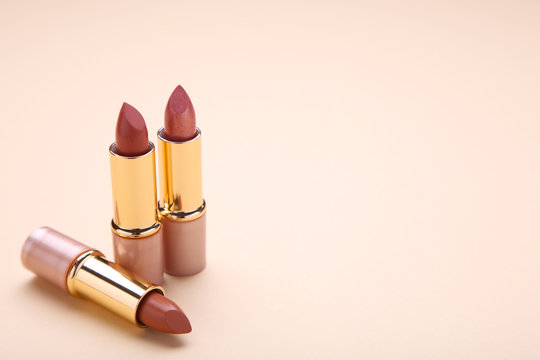
Brown lipstick has transcended its 90s origins to become a modern beauty staple. Unlike bright reds or pinks, brown shades offer a sophisticated, grounded aesthetic that can be tailored to almost any skin type. However, the key is balancing the intensity of the brown with your skin’s natural saturation.
Mapping Brown Shades to Complexions
Not all browns are created equal. When selecting a brown lipstick, you must consider the base pigments—whether they lean towards terracotta, mocha, or chocolate.
| Skin Tone | Ideal Brown Shade | Reasoning |
|---|---|---|
| Fair | Rosy Brown / Mauve-Brown | Prevents the lips from looking washed out or overly harsh. |
| Medium | Warm Terracotta / Caramel | Complements the natural golden or olive hues in the skin. |
| Deep | Deep Chocolate / Espresso | Provides high-contrast definition that looks rich and intentional. |

Strategic Selection for Long-Lasting Results
Beyond color theory, the finish of your lipstick—matte, satin, or gloss—plays a significant role in how the color interacts with your skin. For those with cooler undertones, look for brown lipsticks with a blue or berry base to ensure the color doesn’t look “muddy” against your skin. Conversely, those with warm undertones should gravitate toward golden-browns or brick-toned browns.
Operational Steps for Testing Shades
Never rely solely on swatching on your hand, as the skin on your hand often differs in pigment from your face. Follow these steps for accurate testing:
- Sanitization: Always sanitize the tester or apply a small amount to a disposable applicator.
- The Lip Swatch: Apply the color to your lower lip. This allows you to see how the pigment interacts with your natural lip color.
- Lighting Check: Step into natural daylight. Artificial store lighting often distorts true color representation.

Advanced Color Harmony Techniques
Once you have identified your primary color palette, you can begin to experiment with textures and layering. A common mistake is ignoring the impact of lip liners. Using a slightly darker lip liner can provide depth to a lighter brown lipstick, effectively contouring the lips and making them appear fuller.
Frequently Asked Questions (FAQ)
- Q1: Can everyone wear brown lipstick?
- Yes, absolutely. The secret lies in finding the right “temperature” of brown. Cool-toned individuals should look for taupe or mauve-browns, while warm-toned individuals should opt for shades with orange or red undertones.
- Q2: How do I know if my lipstick is too dark for my skin?
- If your lipstick makes you look tired or accentuates dark circles under your eyes, it is likely too dark or has an unflattering undertone. Try a shade that is one or two tones deeper than your natural lip color for a more harmonious look.
- Q3: Should my lipstick match my skin tone exactly?
- No. You generally want a contrast. If you have fair skin, a shade that provides a soft contrast without being stark is best. If you have deep skin, you can afford to wear highly pigmented, deep shades that would be overwhelming on lighter complexions.
- Q4: Why does my lipstick change color after I apply it?
- Lipstick can oxidize due to the pH levels of your skin or the natural oils on your lips. This is why it is essential to test a product on your lips for at least 15 minutes before finalizing a purchase.


