Women’s handbags are far more than mere accessories; they are a fundamental extension of personal style, a practical necessity, and often a cherished investment. Across cultures and eras, handbags have evolved from simple pouches to sophisticated statements, embodying a fusion of fashion, functionality, and craftsmanship. This ultimate guide delves into the intricate world of women’s handbags, offering a comprehensive overview of their diverse types, the art of selecting the ideal piece, understanding the nuances of materials and construction, and crucial tips for their maintenance and care. Whether you’re a seasoned collector or a newcomer seeking to understand the essentials, prepare to unlock the secrets behind these iconic fashion staples.
Exploring the Diverse World of Handbag Types
The landscape of women’s handbags is incredibly rich and varied, with each style designed to cater to different needs, occasions, and aesthetic preferences. Understanding the distinctions between these types is crucial for making informed choices that align with your lifestyle and fashion sensibilities. From the everyday carry-all to the elegant evening companion, there’s a handbag perfectly suited for every moment.
Crossbody Bags: The Epitome of Hands-Free Convenience
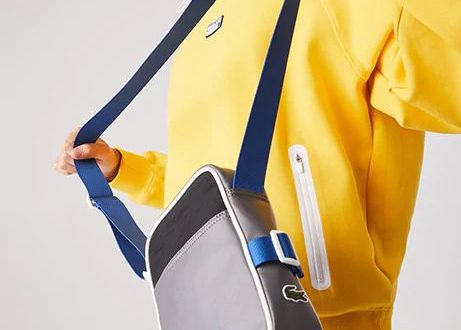
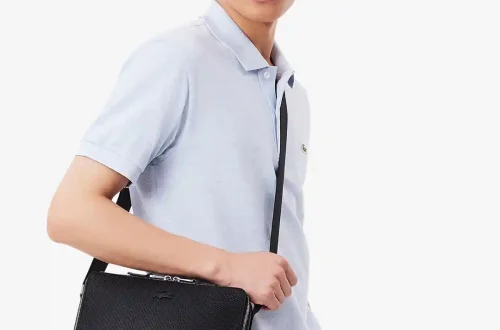
Crossbody bags have surged in popularity due to their unparalleled practicality and versatility. Designed to be worn across the body, they offer secure, hands-free carrying, making them ideal for busy days, travel, or any situation where freedom of movement is paramount. Their design typically features a long strap that allows the bag to rest comfortably at the hip or waist, distributing weight evenly and keeping essentials close at hand while preventing them from being easily misplaced or snatched.
- Functionality and Security: The primary appeal of a crossbody bag lies in its functionality. It keeps your belongings secure against your body, reducing the risk of theft and allowing you to navigate crowds or carry other items without hassle. Many designs feature multiple compartments, making organization effortless.
- Style Versatility: Crossbody bags come in an astonishing array of styles, from sleek minimalist designs perfect for a professional setting to bohemian-inspired options ideal for casual outings. They can be found in various materials, including durable leather, chic canvas, and trendy synthetics, making them adaptable to almost any outfit or occasion.
- Ideal for Travel and Daily Errands: For travelers, a crossbody bag is indispensable, offering easy access to passports, tickets, and currency while keeping them safe. For daily errands, it provides enough space for a phone, wallet, keys, and a few other small essentials without being cumbersome.
Clutches: The Perfect Finishing Touch for Every Outfit
Clutches are the quintessential accessory for formal events, evening gatherings, and any occasion where a minimalist yet elegant statement is desired. Designed to be held in the hand, hence the name, clutches exude sophistication and refinement. They are typically smaller than other handbag types, intended to carry only essential items like a phone, lipstick, and a credit card, emphasizing their role as a decorative rather than purely utilitarian piece.
- Elegance and Sophistication: A clutch instantly elevates an ensemble, adding a touch of glamour and polish. They come in myriad designs, from embellished and beaded to sleek and structured, often serving as a focal point of an evening look.
- Occasion-Specific Design: While some larger clutches can transition to daytime events, their primary domain is evening wear. They are perfect for weddings, galas, cocktail parties, and dinners, complementing formal dresses and tailored outfits.
- Material and Embellishment Variety: Clutches are often crafted from luxurious materials such as silk, satin, velvet, or fine leather, frequently adorned with crystals, embroidery, or metallic accents. This variety allows for perfect coordination with specific outfits and personal tastes.
Makeup Bags: Organizing Your Beauty Essentials
Often overlooked in broader handbag discussions, the makeup bag is a critical component of any woman’s daily routine, serving as a dedicated haven for beauty essentials. Far from being a mere pouch, a well-chosen makeup bag ensures that cosmetics are organized, protected, and easily accessible, whether at home or on the go. Its role is purely functional, yet its design can still reflect personal style.
- Optimal Organization: A good makeup bag features thoughtful compartments, brush holders, and zippered pockets to prevent items from mixing, breaking, or leaking. This organization is key to maintaining hygiene and efficiency in your beauty regimen.
- Protection for Valuables: Cosmetics can be expensive and fragile. A sturdy makeup bag protects your products from damage, spills, and external elements, preserving their quality and extending their lifespan.
- Travel-Friendly Designs: Many makeup bags are designed with travel in mind, featuring waterproof linings, easy-to-clean materials, and compact shapes that fit seamlessly into larger luggage. From small daily pouches to larger professional cases, there’s a size for every need.
Other Popular Styles: Totes, Satchels, Shoulder Bags, and Backpacks
Beyond these specific types, the handbag universe includes several other popular styles that cater to diverse preferences and practical requirements. Each offers a unique blend of form and function.
- Tote Bags: Known for their spacious, open design, tote bags are perfect for carrying a multitude of items, from groceries to laptops and gym clothes. They are typically unfastened or have a simple clasp, prioritizing ease of access and capacity.
- Satchel Bags: Characterized by a flat bottom and often a top flap closure, satchels offer a structured look that bridges the gap between casual and professional. They often feature both a top handle and a detachable shoulder strap.
- Shoulder Bags: The classic everyday bag, shoulder bags are designed to be carried over one shoulder, typically with a single strap. They come in countless sizes and styles, making them highly adaptable for various daily activities.
- Backpack Purses: Offering the ultimate in hands-free carrying and weight distribution, backpack purses combine the ergonomic benefits of a backpack with the stylish appeal of a handbag. They are excellent for students, commuters, or anyone needing to carry more while keeping their hands free.

Choosing the Perfect Handbag: Factors to Consider
Selecting the right handbag is a nuanced decision that goes beyond mere aesthetics. It involves a thoughtful consideration of various factors, ensuring that the bag not only complements your style but also serves its intended purpose effectively. A truly perfect handbag is one that seamlessly integrates into your lifestyle, offering both beauty and utility.
Occasion and Purpose: Matching Your Bag to Your Life
The first and most critical factor in choosing a handbag is understanding its intended use and the occasions for which it will be carried. A bag suitable for a formal evening event will differ vastly from one designed for daily commutes or weekend excursions. Mismatched bags can disrupt an outfit’s harmony or fail to meet practical needs.
- Everyday Use: For daily activities, prioritize durability, comfort, and sufficient capacity for essentials like a wallet, phone, keys, and perhaps a small notebook or tablet. Shoulder bags, crossbody bags, and medium-sized totes are often excellent choices.
- Work/Professional: A professional setting calls for a structured, sophisticated bag that can accommodate documents, a laptop, and other work-related items. Totes, satchels, and briefcases in neutral colors and quality materials are ideal.
- Evening/Formal Events: Elegance and minimalism are key. Clutches, small shoulder bags, or wristlets are perfect for carrying only the bare necessities without overwhelming a formal outfit. Embellishments or luxurious materials can add to the special occasion feel.
- Travel: Security, comfort, and capacity are paramount. Crossbody bags are great for passports and cash, while larger tote bags or stylish backpack purses can hold travel essentials, water bottles, and souvenirs.
Material and Durability: An Investment in Longevity
The material of a handbag significantly impacts its appearance, feel, durability, and how it ages. Investing in quality materials ensures your bag withstands the test of time and maintains its aesthetic appeal. Different materials also require varying levels of care.
- Leather: Renowned for its durability, luxurious feel, and ability to age beautifully, leather is a popular choice for high-quality handbags. Options range from full-grain (most durable) to top-grain, suede, and patent leather, each offering distinct textures and finishes.
- Canvas and Fabric: Often used for casual or bohemian styles, canvas and other fabrics like nylon are lightweight, versatile, and can be very durable. They are also easier to clean and maintain, making them practical for everyday use.
- Synthetic Materials: Vegan leather, PU leather, and other synthetic options offer an ethical and often more affordable alternative to genuine leather. Modern synthetics can mimic the look and feel of natural materials quite closely and are often water-resistant.
- Exotic Skins: For a touch of luxury and uniqueness, exotic skins like crocodile, snake, or ostrich are used, though they often come with a higher price tag and require specialized care.
Size and Capacity: Balancing Needs with Aesthetics
The size and internal capacity of a handbag are critical functional considerations. A bag that is too small won’t carry your essentials, while one that is too large can feel cumbersome and overwhelm your frame. Consider what you typically carry on a daily basis.
- Minimalist Essentials: If you only carry a phone, wallet, and keys, a small crossbody, mini-bag, or clutch might suffice.
- Daily Essentials + More: For items like a tablet, book, water bottle, or a few cosmetics, a medium-sized shoulder bag, satchel, or smaller tote would be appropriate.
- Everything-But-The-Kitchen-Sink: Large totes or spacious backpack purses are necessary if you need to carry a laptop, gym clothes, multiple books, or items for children.
Personal Style and Trend Awareness: Expressing Yourself
While functionality is important, a handbag is ultimately a fashion statement. Your choice should reflect your personal style, complement your wardrobe, and make you feel confident. While it’s good to be aware of current trends, investing in timeless pieces that resonate with your aesthetic is often more rewarding.
- Classic vs. Trendy: Decide whether you prefer a classic, enduring style that will remain relevant for years, or if you enjoy incorporating more trendy, seasonal pieces into your collection.
- Color and Hardware: Consider how the bag’s color and hardware (gold, silver, matte black) will integrate with your existing wardrobe. Neutral colors offer versatility, while bold colors can serve as a statement piece.
- Brand and Craftsmanship: While brand names can be a factor, prioritize quality craftsmanship, sturdy hardware, and meticulous stitching over labels. A well-made bag, regardless of brand, will offer better longevity and aesthetic appeal.

Materials and Craftsmanship: What to Look For
The true value and longevity of a handbag are deeply rooted in the quality of its materials and the precision of its craftsmanship. Understanding these elements empowers you to distinguish between a fleeting fashion item and a durable, well-constructed accessory that will stand the test of time. A discerning eye for detail can save you money and ensure your investment is worthwhile.
Leather: The Gold Standard of Durability and Elegance
Leather remains a top choice for high-end handbags due to its natural beauty, resilience, and ability to develop a unique patina over time. However, not all leather is created equal, and understanding the different types is crucial.
- Full-Grain Leather: This is the highest quality and most durable leather, retaining the natural grain and imperfections of the hide. It develops a beautiful patina and is extremely resistant to wear, though it can be stiff initially.
- Top-Grain Leather: Slightly thinner and more pliable than full-grain, top-grain leather has had its outermost layer lightly sanded or buffed to remove imperfections. It’s still very durable and commonly used for luxury bags.
- Suede: Known for its soft, napped surface, suede is made from the underside of the hide. While luxurious, it’s more susceptible to stains and water damage, requiring careful maintenance.
- Patent Leather: Created by applying a high-gloss finish to leather, patent leather is shiny and water-resistant, making it a striking choice for formal or statement bags. It can be prone to scratching and creasing.
When inspecting leather, look for consistent texture, a rich aroma, and natural variations that indicate genuine material. Avoid leather that feels overly stiff or plastic-like, which might indicate lower quality or heavy processing.
Synthetic Materials: Innovation Meets Affordability
Advancements in textile technology have led to a proliferation of high-quality synthetic materials that offer ethical and often more practical alternatives to natural leather. These materials are becoming increasingly sophisticated in their look and feel.
- Vegan Leather: Often made from polyurethane (PU) or polyvinyl chloride (PVC), modern vegan leathers can closely mimic the appearance and texture of real leather. They are a popular choice for those seeking cruelty-free options.
- Nylon: Extremely lightweight, durable, and water-resistant, nylon is favored for practical, everyday bags, travel bags, and sporty styles. It’s easy to clean and maintain, making it ideal for high-wear items.
- Canvas: A sturdy plain-woven fabric, typically made of cotton or linen, canvas is durable and often used for casual totes, beach bags, and more structured everyday bags. It can be treated for water resistance and comes in various weights.
When evaluating synthetic bags, pay attention to the thickness and pliability of the material, the quality of any printed textures, and how well it holds its shape. Cheaper synthetics can look and feel plasticky and may degrade quickly.
Exotic Skins and Sustainable Options: Niche and Conscious Choices
For those seeking unique luxury or environmentally responsible choices, there are specialized materials available, each with its own set of characteristics and ethical considerations.
- Exotic Skins: Materials like crocodile, alligator, python, or ostrich skin offer unparalleled luxury and distinctive textures. These are typically very expensive and require specialized care, and their sourcing often involves ethical debates, leading to strict regulations.
- Sustainable and Recycled Materials: A growing trend focuses on eco-friendly options, including recycled plastics, organic cotton, cork, and innovative plant-based leathers (e.g., pineapple leaf leather, mushroom leather). These options appeal to consumers prioritizing environmental impact.
When considering exotic skins, verify their authenticity and ethical sourcing. For sustainable materials, research the brand’s commitment to eco-friendly practices and the material’s certified origins.
Hardware and Stitching Quality: The Unsung Heroes of Durability
Beyond the primary material, the hardware and stitching are critical indicators of a handbag’s overall quality and durability. These small details often determine how well a bag withstands daily use.
- Hardware: Examine zippers, buckles, clasps, and D-rings. High-quality hardware should feel substantial and smooth, made from solid metals like brass, stainless steel, or nickel, rather than flimsy, hollow, or plastic-coated pieces. Zippers should glide effortlessly without snagging.
- Stitching: Look for neat, even, and consistent stitching with no loose threads or skipped stitches. Double-stitching or reinforced stitching at stress points (like strap attachments and corners) indicates a well-made bag designed for longevity.
- Lining: A good quality lining is usually made from durable fabric like cotton, satin, or a sturdy synthetic. It should be securely sewn into the bag with no loose ends or sagging, protecting the interior and providing a finished look.
These elements are often where manufacturers cut corners to reduce costs. A bag with poor hardware or shoddy stitching, regardless of its exterior material, is unlikely to last.

Caring for Your Handbags: Maintenance Tips
A handbag is an investment, both financially and emotionally. Proper care and maintenance are essential to preserve its beauty, extend its lifespan, and ensure it remains a cherished accessory for years to come. Neglecting basic care can lead to premature wear, discoloration, and damage, diminishing its appeal and value.
Cleaning Specific Materials: Tailored Approaches for Longevity
Different handbag materials require distinct cleaning methods. Using the wrong product or technique can cause irreversible damage. Always test any cleaning solution on an inconspicuous area first.
- Leather:
- Daily Wipe Down: Use a soft, dry cloth to gently wipe away dust and light dirt.
- Deep Cleaning: For tougher stains, use a leather cleaner specifically formulated for your leather type (e.g., an aniline cleaner for unfinished leather, a protective cream for finished leather). Apply with a soft cloth in circular motions, then buff dry.
- Conditioning: Leather needs moisture to prevent drying and cracking. Apply a leather conditioner every few months to keep it supple.
- Water Stains: Blot wet spots immediately with a clean cloth. For dried water stains, a damp cloth can sometimes help even out the stain, but specialized leather care might be needed for severe marks.
- Suede and Nubuck:
- Brushing: Use a specialized suede brush to remove dirt and restore the nap. Brush in one direction.
- Stains: For dry stains, use a suede eraser. For wet stains, blot immediately with a clean cloth and allow to air dry. Avoid water as much as possible.
- Protection: Apply a suede protector spray regularly to repel water and stains.
- Canvas and Fabric:
- Spot Cleaning: For small stains, use a mild soap (like dish soap) diluted with water and a soft cloth or brush. Gently scrub the stained area, then rinse with a clean, damp cloth.
- Machine Washable (Check Label): Some canvas or fabric bags can be machine washed on a gentle cycle with cold water, but always check the care label first. Air dry completely.
- Nylon: Wipe down with a damp cloth and mild soap. Many nylon bags are water-resistant, making them relatively easy to clean.
Always avoid harsh chemicals, abrasive cleaners, and excessive rubbing, which can damage the material or strip its color. Professional cleaning is recommended for delicate or heavily stained bags.
Proper Storage Techniques: Preserving Shape and Material Integrity
How you store your handbags when not in use is as important as how you clean them. Incorrect storage can lead to loss of shape, creasing, discoloration, and damage from dust or moisture.
- Stuffing: Always stuff your bags with acid-free tissue paper, bubble wrap, or old t-shirts to help them retain their original shape. Avoid using newspaper, as the ink can transfer.
- Dust Bags: Store handbags in their original dust bags (if provided) or breathable cotton pillowcases. This protects them from dust, scratches, and light exposure while allowing air circulation.
- Upright Position: Store bags upright on a shelf, not hanging by their straps, which can stretch or damage the handles over time. If space is limited, lay them flat, ensuring they are not crushed.
- Avoid Direct Sunlight and Humidity: Store bags in a cool, dry place away from direct sunlight, which can fade colors and dry out materials. High humidity can lead to mold and mildew.
- Separate Storage: Keep bags separated to prevent color transfer, especially between dark and light-colored items, or between bags with different hardware that might scratch each other.
Repair and Restoration: Extending a Handbag’s Life
Even with the best care, handbags can sometimes suffer damage or show signs of wear. Knowing when and how to seek repair or restoration can significantly extend their life and maintain their value.
- Minor Repairs: For simple issues like a loose stitch, a minor scratch on hardware, or a slightly discolored spot, you might be able to find DIY solutions or specialized repair kits. However, proceed with caution and only if you are confident.
- Professional Repair Services: For more significant damage—such as broken zippers, torn linings, damaged straps, or deep leather scratches—it is always best to consult a professional handbag repair specialist or a cobbler experienced with luxury goods. They have the expertise, tools, and materials to perform repairs without causing further damage.
- Dyeing and Color Restoration: If a bag’s color has faded or become stained, professional dyeing or color restoration services can often bring it back to life. This is particularly effective for leather bags.
A well-maintained and occasionally repaired handbag can last for decades, becoming a timeless piece that accrues sentimental value and potentially even increases in market value, especially for designer items.

The Handbag’s Role in Modern Fashion and Sustainability
In contemporary fashion, handbags continue to evolve, reflecting not only aesthetic trends but also broader societal shifts towards conscious consumption and individual expression. Their significance extends beyond mere utility, embodying statements about personal values, lifestyle choices, and a commitment to sustainability.
Handbags as a Statement of Personal Style and Identity
Today, a handbag is a powerful tool for self-expression. It can convey a wearer’s personality, status, and aesthetic preferences without uttering a single word. From minimalist designs that speak of understated elegance to bold, avant-garde pieces that challenge conventions, handbags offer a canvas for individuality.
- Trend-Driven vs. Timeless: While some embrace fast fashion and frequently update their collection with trending bags, others invest in timeless, classic designs that transcend seasonal fads. Both approaches reflect different aspects of personal style and consumption philosophy.
- Functionality Meets Fashion: Modern designers increasingly blend high fashion with practical functionality. Bags now often feature integrated tech compartments, ergonomic designs, and versatile carrying options (e.g., convertible straps) that cater to dynamic lifestyles.
- The “It” Bag Phenomenon: The concept of the “It” bag, a highly coveted and frequently publicized designer handbag, continues to influence trends and fuel desire. These bags often become cultural touchstones, reflecting the zeitgeist of a particular era.
The Rise of Sustainable and Ethical Handbags
With growing awareness of environmental impact and ethical labor practices, the fashion industry, including handbag production, is undergoing a significant transformation. Consumers are increasingly seeking out brands that prioritize sustainability, transparency, and ethical sourcing.
- Eco-Friendly Materials: The demand for sustainable materials is driving innovation, leading to bags made from recycled plastics, organic cotton, cork, pineapple leather (Piñatex), mushroom leather (Mylo), and other plant-based alternatives. These materials offer reduced environmental footprints compared to traditional leather or synthetic options.
- Ethical Production: Consumers are looking for brands that ensure fair wages, safe working conditions, and transparency throughout their supply chains. Certifications and clear communication about manufacturing processes are becoming key selling points.
- Durability and Longevity: A core principle of sustainable fashion is buying fewer, higher-quality items that last longer. This encourages investment in well-made bags designed for durability, reducing the need for frequent replacements and minimizing waste.
- Second-Hand and Vintage Markets: The booming market for pre-owned luxury handbags and vintage pieces is another facet of sustainable consumption. It extends the life cycle of existing products, reduces demand for new production, and offers access to unique historical styles.
The handbag’s journey from a simple carrier to a complex symbol of style, status, and environmental consciousness underscores its enduring and evolving role in the fashion world and beyond. As consumers become more informed and discerning, the future of handbags will likely be defined by a harmonious blend of innovative design, responsible production, and profound personal connection.
Frequently Asked Questions (FAQ)
- Q1: What is the most versatile type of handbag for everyday use?
- For everyday versatility, a crossbody bag or a