In an era where time is a precious commodity and self-care routines often feel overwhelming, the concept of streamlining our daily rituals has gained immense popularity. Skincare, traditionally seen as a multi-step process, is now evolving towards efficiency without sacrificing effectiveness. The “lazy skincare hack” isn’t about cutting corners; it’s about intelligent product formulation that delivers multiple benefits in a single application. This ultimate guide delves into the world of moisturizing sunscreens – a true game-changer for anyone seeking a simpler yet highly effective approach to skin health and protection.
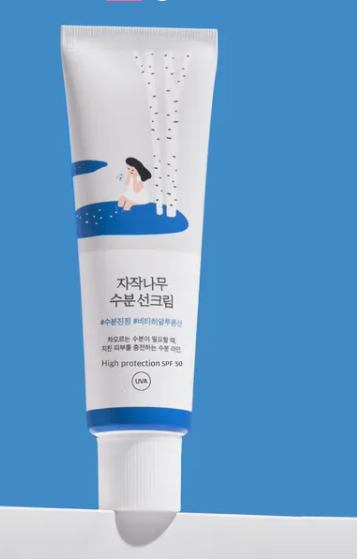
Imagine reducing two essential steps – moisturizing and sun protection – into one seamless application. This innovation not only saves precious minutes but also ensures consistent, broad-spectrum defense against harmful UV rays while keeping your skin hydrated and supple. We’ll explore the ‘why’ behind this trend, the science that makes these products so powerful, and how to integrate them effortlessly into your routine, focusing on exemplary products like the Round Lab Birch Juice Moisturizing Sunscreen.
The Evolution of Skincare: From Multi-Step to Minimalist
For years, the skincare industry championed elaborate multi-step routines, often influenced by K-beauty trends that advocated for 10 or even 12 different products applied in a specific order. While these routines offered a ritualistic approach to beauty, they also presented challenges: time consumption, product overload, and potential for irritation from too many active ingredients. The underlying principle was layering to address various concerns, but the practical application could be daunting for many.
However, a significant shift has occurred. Consumers are increasingly seeking efficacy through simplicity. This minimalist movement prioritizes fewer, higher-quality products that deliver multiple benefits, focusing on skin barrier health and essential protection. The shift isn’t just about convenience; it’s also rooted in understanding skin physiology. Over-layering can sometimes lead to pilling, reduced absorption, or even compromise the skin’s natural barrier function. The ‘less is more’ philosophy advocates for targeted, potent formulations that respect the skin’s natural ecosystem.
The Overwhelm of Complex Routines
The intricate dance of cleansers, toners, essences, serums, ampoules, moisturizers, and sunscreens often left individuals confused and discouraged. Identifying which product does what, in what order, and whether they interact positively or negatively became a complex puzzle. This complexity often led to inconsistent routines or outright abandonment, leaving skin vulnerable to environmental stressors and premature aging.
The Science of Skin Barrier Protection
At the core of healthy skin is an intact skin barrier. This protective layer prevents moisture loss and acts as a shield against pollutants, bacteria, and irritants. Over-exfoliation, excessive product use, or harsh ingredients can compromise this barrier, leading to dryness, sensitivity, and breakouts. Minimalist routines, especially those incorporating multi-functional products, aim to support the skin barrier by providing essential hydration and protection without overwhelming it.

Understanding Moisturizing Sunscreens: More Than Just Convenience
Moisturizing sunscreens are hybrid formulations designed to hydrate the skin while simultaneously providing robust sun protection. These products are engineered to blend the emollient properties of a moisturizer with the UV-filtering capabilities of a sunscreen, creating a single, cohesive product that performs both crucial functions effectively. The innovation lies in the stable integration of diverse ingredients, ensuring neither function is compromised.
The convenience of a 2-in-1 product is undeniable, but their true value extends beyond time-saving. By combining these steps, moisturizing sunscreens often encourage more consistent daily SPF application, which is vital for preventing sun damage, photoaging, and reducing the risk of skin cancer. They are particularly beneficial for those with busy lifestyles, beginners in skincare, or individuals who prefer a streamlined approach.
Key Ingredients to Look For
When selecting a moisturizing sunscreen, pay attention to ingredients that offer both hydration and protection:
- Hyaluronic Acid: A powerful humectant that attracts and holds up to 1,000 times its weight in water, providing intense hydration.
- Glycerin: Another excellent humectant that draws moisture from the air into the skin, keeping it soft and supple.
- Ceramides: Essential lipids that help restore and maintain the skin’s natural barrier, preventing moisture loss and protecting against environmental aggressors.
- Niacinamide (Vitamin B3): Offers multiple benefits, including improving skin barrier function, reducing inflammation, minimizing pore appearance, and evening out skin tone.
- Antioxidants (e.g., Vitamin E, Green Tea Extract): Help neutralize free radicals generated by UV exposure and pollution, providing an extra layer of protection.
Broad-Spectrum Protection Explained
A critical aspect of any effective sunscreen is “broad-spectrum” protection. This term signifies that the product defends against both UVA and UVB rays:
- UVA Rays: Penetrate deeper into the skin, contributing to premature aging (wrinkles, fine lines, sunspots) and increasing skin cancer risk. They are present year-round, even on cloudy days.
- UVB Rays: Primarily responsible for sunburn and play a significant role in causing skin cancer.
Ensuring your moisturizing sunscreen is labeled “broad-spectrum” with an SPF of 30 or higher is crucial for comprehensive daily defense.
Comparison Table: Combined Moisturizer & Sunscreen vs. Separate Products
| Feature | Combined Moisturizer & Sunscreen | Separate Moisturizer & Sunscreen |
|---|---|---|
| Application Steps | One step | Two distinct steps |
| Time Efficiency | High (saves time) | Moderate (requires more time) |
| Product Cost | Potentially lower overall cost | Potentially higher due to two products |
| Consistency of Use | Higher (easier to commit) | Varies (can be skipped) |
| Ingredient Synergy | Formulated for optimal interaction | Requires careful layering to avoid pilling/dilution |
| Skin Feel | Often lighter, less layered feel | Can feel heavier with two distinct layers |
| Customization | Less customizable for specific concerns | Highly customizable for specific needs |

The Round Lab Birch Juice Moisturizing Sunscreen: A Deep Dive
Among the myriad of moisturizing sunscreens available, the Round Lab Birch Juice Moisturizing Sunscreen stands out as a prime example of an effective and beloved integrated solution. Originating from the highly innovative Korean skincare market, this product exemplifies the blend of hydration, protection, and pleasant user experience that modern consumers seek.
It has garnered significant praise for its lightweight texture, lack of white cast, and powerful hydrating properties, making it suitable for a wide range of skin types, including sensitive skin. Its formulation is a testament to advanced skincare science, balancing efficacy with sensory appeal.
Key Ingredients and Their Benefits
The success of Round Lab’s sunscreen can be attributed to its thoughtful ingredient list:
- Birch Sap (Betula Platyphylla Japonica Juice): Sourced from Inje, South Korea, birch sap is rich in amino acids, minerals, and vitamins. It helps to hydrate, purify, and soothe the skin, making it particularly beneficial for irritated or sensitive complexions. It provides a natural, refreshing boost to skin vitality.
- Hyaluronic Acid: As discussed, this ingredient is crucial for drawing and locking in moisture, ensuring long-lasting hydration throughout the day.
- Niacinamide: Contributes to skin barrier strength, reduces redness, and helps to regulate oil production, offering multifaceted benefits.
- UV Filters: Utilizes a blend of chemical filters (e.g., Ethylhexyl Methoxycinnamate, Homosalate, Ethylhexyl Salicylate, Diethylamino Hydroxybenzoyl Hexyl Benzoate, Bis-Ethylhexyloxyphenol Methoxyphenyl Triazine) that provide broad-spectrum protection without leaving a heavy or greasy residue. These filters are photostable and effective.
Application Guide: Maximizing Efficacy
To get the most out of your moisturizing sunscreen, proper application is key:
- Cleanse: Start with a clean face. Use a gentle cleanser to remove impurities without stripping the skin.
- Optional Serum/Treatment: If you use specific serums (e.g., Vitamin C, retinoids), apply them after cleansing and before your moisturizing sunscreen. Allow them to fully absorb.
- Apply Liberally: Dispense a generous amount of the moisturizing sunscreen – typically a nickel-sized dollop for the face and neck. Many people under-apply sunscreen, significantly reducing its stated SPF.
- Even Application: Gently spread the product evenly across your face, neck, and any exposed areas. Patting motions can help with absorption.
- Wait for Absorption: Allow a few minutes for the product to fully absorb before applying makeup, if desired. This prevents pilling and ensures the protective film sets properly.
- Reapply: For continuous protection, especially if spending extended time outdoors, sweating, or swimming, reapply every two hours.
Technical Checklist: What Makes a Great Moisturizing Sunscreen?
- Broad-Spectrum Protection: Must defend against both UVA and UVB rays.
- SPF 30 or Higher: Provides adequate daily protection for most individuals.
- Hydrating Ingredients: Contains humectants (Hyaluronic Acid, Glycerin) and emollients (Ceramides, natural oils) to moisturize.
- No White Cast: Especially important for diverse skin tones.
- Non-Comedogenic: Won’t clog pores, suitable for acne-prone skin.
- Lightweight Texture: Absorbs easily without feeling heavy or greasy.
- Fragrance-Free (Optional but Recommended): Reduces the risk of irritation, especially for sensitive skin.
- Water-Resistant (If Needed): For active individuals or humid climates.
Integrating the One-Step Hack into Your Daily Routine
The beauty of a moisturizing sunscreen lies in its adaptability. It simplifies your routine, but how you integrate it can vary based on your skin type, environmental factors, and personal preferences. This one-step hack is not a rigid rule but a flexible solution designed to enhance consistency and efficacy.
For most, it replaces both a traditional moisturizer and a separate sunscreen. However, individuals with very dry skin might still benefit from a hydrating serum underneath, or those with specific skin concerns might layer a targeted treatment before application. The key is to listen to your skin and adjust accordingly.
Tips for Oily/Acne-Prone Skin
- Look for “Oil-Free” or “Non-Comedogenic”: These labels indicate the product is less likely to clog pores.
- Gel or Fluid Textures: Often lighter and absorb more quickly without contributing to excess shine.
- Consider Niacinamide: Helps regulate sebum production and reduce inflammation.
- Matte Finish: Some formulations offer a mattifying effect, which can be beneficial.
Tips for Dry/Sensitive Skin
- Rich Emollients: Ensure the product contains ceramides, shea butter, or nourishing oils for extra hydration.
- Fragrance-Free and Hypoallergenic: Minimize potential irritants.
- Layer a Hydrating Serum: For very dry skin, a hyaluronic acid or ceramide serum underneath can provide an additional moisture boost.
- Mineral Filters (Optional): If chemical filters cause irritation, look for moisturizing sunscreens with zinc oxide and titanium dioxide, which are generally gentler.
Pro Tips: Beyond the Basics: Advanced Skincare Synergies
- Antioxidant Boost: Layer an antioxidant serum (like Vitamin C) underneath your moisturizing sunscreen. Antioxidants provide an additional layer of defense against environmental damage and can enhance the efficacy of your SPF.
- Lip and Eye Protection: Don’t forget your lips and delicate eye area. Use a lip balm with SPF and a dedicated eye cream or carefully apply your moisturizing sunscreen around the orbital bone.
- Evening Repair: While your morning routine is simplified, your evening routine can focus on repair and rejuvenation. Incorporate retinoids, AHAs/BHAs, or peptide serums at night to address specific concerns.
- Seasonal Adjustment: Your skin’s needs change with the seasons. In drier winter months, you might prefer a richer moisturizing sunscreen, while in humid summers, a lighter fluid might be more suitable.
- Consistency is Key: The best skincare hack is consistent daily application. A simplified routine makes this much easier to achieve.
Future Trends in Skincare: Smart Formulations and Sustainability
The evolution of skincare is continuous, driven by scientific advancements, consumer demands, and a growing emphasis on ethical and sustainable practices. Moisturizing sunscreens are just one facet of a broader movement towards “smart” formulations – products that are multi-functional, highly effective, and tailored to individual needs.
Looking ahead, we can expect to see even more sophisticated hybrid products, perhaps incorporating personalized ingredients based on genetic data or AI-driven skin analysis. The focus will remain on skin barrier health, microbiome balance, and protection against a wider range of environmental aggressors, including blue light and pollution.
Sustainability will also play an increasingly vital role. Consumers are demanding eco-friendly packaging, responsibly sourced ingredients, and cruelty-free production. Brands that can deliver innovative, effective, and sustainable multi-functional products will undoubtedly lead the way in the future of skincare.
Frequently Asked Questions (FAQ)
- Q1: Can a moisturizing sunscreen truly replace both my moisturizer and separate sunscreen?
- A1: For most individuals with normal to combination skin, yes. Modern moisturizing sunscreens are formulated to provide adequate hydration and broad-spectrum SPF 30+ protection. However, if you have extremely dry skin, you might still benefit from layering a hydrating serum underneath, or if you have specific skin conditions, consult with a dermatologist.
- Q2: Will a moisturizing sunscreen feel heavy or greasy on my skin?
- A2: Not necessarily. Many advanced formulations, especially those from Korean brands like Round Lab, are designed to be lightweight, fast-absorbing, and leave no white cast or greasy residue. Look for products labeled “lightweight,” “fluid,” or “gel-cream” for a more comfortable feel.
- Q3: How much moisturizing sunscreen should I apply for adequate protection?
- A3: The general rule of thumb for sunscreen is to apply about a nickel-sized amount for the face and neck, or roughly two finger-lengths worth. Under-application significantly reduces the stated SPF, so be generous. Reapply every two hours if you’re outdoors, sweating, or swimming.
- Q4: Is a moisturizing sunscreen suitable for all skin types, including sensitive and acne-prone skin?
- A4: Many formulations are designed to be suitable for various skin types. For sensitive skin, look for fragrance-free, hypoallergenic options. For acne-prone skin, ensure the product is labeled “non-comedogenic” and “oil-free.” Always patch-test new products if you have concerns.
- Q5: What’s the benefit of “Birch Juice” in the Round Lab sunscreen?
- A5: Birch sap (or juice) is rich in amino acids, minerals, and vitamins. It’s known for its hydrating, purifying, and soothing properties, making it an excellent ingredient for calming irritated skin and providing a natural boost to skin vitality and moisture levels, contributing to the product’s overall efficacy and pleasant feel.


