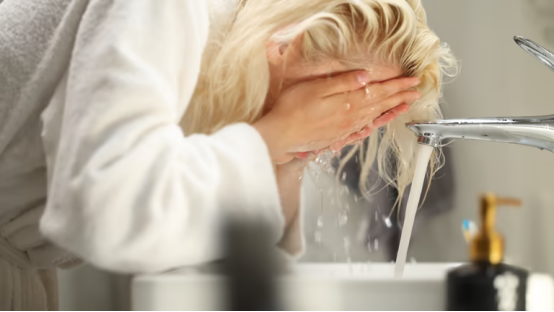
For individuals with sensitive skin, the daily ritual of removing makeup can feel like navigating a minefield. The wrong technique or a harsh product can instantly trigger redness, itching, burning, and inflammation, compromising the skin’s delicate barrier. A proper, gentle removal process is not just about cleansing; it’s a foundational element of a skincare routine that prioritizes skin health and comfort. This guide provides an exhaustive breakdown of the best practices, from selecting the ideal products to executing a step-by-step removal and aftercare regimen designed specifically to soothe and protect sensitive skin.
Understanding Sensitive Skin’s Needs in Makeup Removal
Sensitive skin is characterized by a hyper-reactive response to external stimuli. This is often due to a weakened or impaired skin barrier, which allows irritants to penetrate more easily and moisture to escape, leading to dryness and inflammation. When makeup, dirt, and environmental pollutants are left on the skin, they can clog pores and exacerbate sensitivity. However, the removal process itself poses a significant risk. Aggressive scrubbing, alcohol-based removers, and products with fragrances or harsh surfactants can strip the skin of its natural oils, further damaging the barrier and leading to a cycle of irritation. The goal of makeup removal for sensitive skin is twofold: to effectively cleanse the skin of all cosmetic residue and to do so while preserving its integrity, hydration, and overall health.
Key Challenges for Sensitive Skin
Understanding the specific challenges is the first step toward building a better routine. People with sensitive skin must contend with several factors when choosing and using makeup removers.
- Ingredient Sensitivity: Fragrances, alcohol, sulfates (like SLS and SLES), and certain preservatives are common triggers for irritation and allergic reactions.
- Mechanical Irritation: The physical act of rubbing, scrubbing, or using abrasive materials like rough cotton pads or wipes can cause micro-tears in the skin, leading to redness and inflammation.
- Product Residue: Some makeup removers, particularly oil-based ones that don’t emulsify properly, can leave behind a film that clogs pores or causes breakouts.
- Stripping Natural Oils: Overly effective or harsh cleansers can remove the skin’s natural sebum, which is essential for maintaining a healthy barrier and preventing dehydration.

Choosing the Right Gentle Makeup Remover
The marketplace is saturated with makeup removers, but not all are created equal, especially for sensitive complexions. Selecting the right formula is the most critical decision in your routine. The ideal product should be effective enough to dissolve stubborn makeup without requiring harsh rubbing, and it must be formulated with gentle, non-irritating ingredients.
Micellar Water: The Gentle Soaking Solution
Micellar water is a water-based cleanser containing tiny oil molecules called micelles. These micelles act like magnets, attracting and lifting away makeup, oil, and impurities without stripping the skin. It is an excellent first step in a double-cleanse routine for sensitive skin because it is lightweight, hydrating, and typically free from alcohol and soap. To use it effectively, saturate a soft cotton pad, press it gently against the skin for a few seconds to allow the micelles to dissolve the makeup, and then wipe away softly. Avoid back-and-forth rubbing motions.
Cleansing Balms and Oils: The Ultimate Meltdown
Cleansing balms and oils are highly effective at breaking down all types of makeup, including waterproof mascara and long-wear foundation. They work on the principle of “like dissolves like.” When massaged into dry skin, the oil in the cleanser binds to the oils in your makeup, melting everything away. For sensitive skin, look for balms and oils that are free from fragrance and essential oils. The key is to choose a formula that emulsifies (turns milky) upon contact with water, ensuring it rinses off completely without leaving a greasy residue.
Cream Cleansers: The Hydrating Alternative
For those with very dry or easily irritated sensitive skin, a cream cleanser can be a soothing option. These cleansers have a rich, lotion-like consistency and are often formulated with hydrating and calming ingredients like ceramides, glycerin, and hyaluronic acid. While they may not be as potent against heavy, waterproof makeup, they are excellent as a second cleanse or for removing lighter makeup applications. They cleanse the skin while depositing moisture, leaving it feeling soft and supple rather than tight and stripped.

The Step-by-Step Guide to Gentle Makeup Removal
Technique is just as important as the products you use. A rushed, aggressive approach can undermine even the gentlest cleanser. Follow this detailed, step-by-step process to ensure a thorough and irritation-free cleanse every time.
Step 1: Start with Eyes and Lips
The skin around your eyes and on your lips is thinner and more delicate than the rest of your face. These areas also tend to hold the most stubborn, pigmented makeup (mascara, eyeliner, liquid lipstick). Use a dedicated eye makeup remover or your chosen micellar water on a soft cotton pad. Press the pad gently onto your closed eyelid or lips and hold for 15-20 seconds. This gives the product time to dissolve the makeup, allowing you to wipe it away in a single, gentle swipe rather than scrubbing.
Step 2: Apply Your First Cleanse to a Dry Face
Whether you are using a cleansing balm or oil, always apply it to dry skin. Take a small amount and warm it between your fingertips. Gently massage it all over your face in circular motions for 30-60 seconds. This allows the product to effectively break down foundation, sunscreen, and other face makeup. The massaging action also helps to dislodge impurities from your pores.
Step 3: Emulsify and Rinse Thoroughly
After massaging, wet your fingertips with lukewarm water and continue to massage your face. The oil or balm should turn into a milky emulsion. This step is crucial for lifting the dissolved makeup and grime from your skin so it can be rinsed away cleanly. Continue to add water and massage until you’ve covered the entire face, then rinse thoroughly with lukewarm water. Hot water can strip the skin and cause redness, while very cold water may not be as effective at rinsing.
Step 4: Perform a Second Cleanse (Optional but Recommended)
Double cleansing involves following your oil-based remover with a water-based cleanser, like a gentle cream or gel formula. This step ensures that any remaining oily residue and impurities are washed away, leaving your skin perfectly clean and ready for skincare. This is particularly beneficial for sensitive skin that is also acne-prone.
Step 5: Pat, Don’t Rub, Dry
Once your face is completely rinsed, gently pat it dry with a clean, soft towel. Microfiber towels are an excellent choice as they are highly absorbent and very gentle on the skin. Aggressively rubbing your face with a towel can cause immediate irritation and redness.

The Essential Post-Removal Skincare Routine
Removing your makeup is only half the battle. What you do immediately after cleansing is critical for calming the skin, replenishing lost moisture, and strengthening your skin barrier. This post-removal routine helps to lock in the benefits of your gentle cleanse and prepares your skin for overnight repair.
Immediately Apply a Hydrating Toner
After patting your skin dry, immediately apply a hydrating, alcohol-free toner. Look for toners with soothing ingredients like centella asiatica (cica), chamomile, or aloe vera, and hydrating agents like hyaluronic acid or glycerin. A good toner will help to remove any final traces of cleanser, rebalance your skin’s pH, and provide an initial layer of hydration, making your subsequent products absorb more effectively.
Use a Calming and Repairing Serum
This is the treatment step where you can target specific concerns. For sensitive skin, a serum focused on barrier repair and reducing inflammation is ideal. Key ingredients to look for include:
- Niacinamide: Helps to calm inflammation, reduce redness, and strengthen the skin barrier.
- Ceramides: These are lipids that are naturally part of the skin barrier. Applying them topically helps to replenish what might have been lost during cleansing.
- Hyaluronic Acid: A powerful humectant that draws moisture into the skin, keeping it plump and hydrated.
Apply a few drops to your damp skin and gently press it in.
Lock Everything in with a Soothing Moisturizer
A moisturizer is non-negotiable for sensitive skin. It creates a protective seal over your skin to prevent water loss and shield it from environmental irritants. Choose a fragrance-free moisturizer with a texture that suits your skin type (a lighter gel-cream for oily/combo skin, a richer cream for dry skin). Ingredients like shea butter, squalane, and oat extract are excellent for nourishing and calming sensitive skin.

Common Makeup Removal Mistakes to Avoid
Even with the right products, certain habits can sabotage your efforts to protect your sensitive skin. Being mindful of these common mistakes can make a significant difference in your skin’s health and appearance.
Relying Solely on Makeup Wipes
While convenient, makeup wipes are notoriously bad for sensitive skin. They often require a lot of rubbing to be effective, which causes mechanical irritation. Furthermore, many are formulated with high concentrations of alcohol and preservatives to keep them from spoiling, which can be incredibly drying and irritating. They also tend to smear makeup and dirt around rather than truly removing it.
Using Water That is Too Hot
Rinsing your face with hot water can feel comforting, but it strips your skin of its natural protective oils, leading to dryness, tightness, and a compromised barrier. Always use lukewarm water for both cleansing and rinsing to maintain your skin’s natural balance.
Scrubbing at Stubborn Makeup
Patience is key. If your waterproof mascara isn’t coming off, don’t resort to scrubbing. Instead, apply your remover on a cotton pad and hold it on the area for a longer period (up to 30 seconds). This allows the product more time to break down the makeup, so it can be wiped away with minimal pressure.
Skipping the Post-Cleanse Routine
Cleansing, no matter how gentle, can temporarily disrupt your skin’s pH and moisture levels. Neglecting to apply a toner, serum, and moisturizer immediately after cleansing leaves your skin vulnerable to dehydration and irritation. The post-removal routine is essential for rehydrating and protecting your skin.

Advanced Tips for Sensitive Skin Care
Once you have mastered the basics of gentle removal and aftercare, you can incorporate a few advanced strategies to further enhance your skin’s health and resilience.
Patch Testing New Products
Before applying any new product to your entire face, always perform a patch test. Apply a small amount to a discreet area, such as behind your ear or on your inner arm, and wait 24-48 hours. If there is no sign of redness, itching, or irritation, it is likely safe to use on your face.
Listen to Your Skin
Sensitive skin can be unpredictable. Pay close attention to how your skin feels. If a product that used to work suddenly starts causing stinging or redness, stop using it. Your skin’s needs can change based on factors like weather, stress, and hormonal fluctuations. Be prepared to adjust your routine accordingly.
Consider a Weekly Soothing Mask
Incorporate a calming and hydrating face mask into your routine once or twice a week after cleansing. Look for masks with ingredients like aloe, cucumber, calendula, or colloidal oatmeal to help reduce any residual inflammation and provide a deep boost of moisture.
Frequently Asked Questions (FAQ)
- Is double cleansing necessary for sensitive skin?
- While not strictly necessary for everyone, double cleansing is highly recommended for sensitive skin, especially for those who wear sunscreen or medium-to-heavy makeup. It ensures a more thorough cleanse without the need for harsh surfactants or scrubbing. The first (oil-based) cleanse breaks down makeup, and the second (water-based) cleanse washes everything away, leaving the skin perfectly clean but not stripped.
- Can I just use a makeup wipe on days I’m too tired?
- It is strongly advised to avoid makeup wipes if you have sensitive skin. The rubbing action and potentially irritating ingredients can easily trigger a reaction. A much better and equally quick alternative is using micellar water on a soft cotton pad. It’s just as fast but significantly gentler on the skin.
- What ingredients should I absolutely avoid in my makeup remover and skincare?
- For sensitive skin, it’s crucial to avoid common irritants. Key ingredients to steer clear of include fragrance (both synthetic and natural essential oils), denatured alcohol (Alcohol Denat.), sulfates (SLS/SLES), and harsh physical exfoliants like nut shells. Always check the ingredient list before purchasing a new product.
- How do I know if my makeup remover is too harsh?
- Your skin will give you clear signals. If your skin feels tight, dry, “squeaky clean,” red, or starts to sting or itch immediately after cleansing, your makeup remover is likely too harsh. A gentle cleanser should leave your skin feeling soft, comfortable, and hydrated, not stripped or irritated.


