The Enduring Legacy of Marilyn Monroe and Diamonds
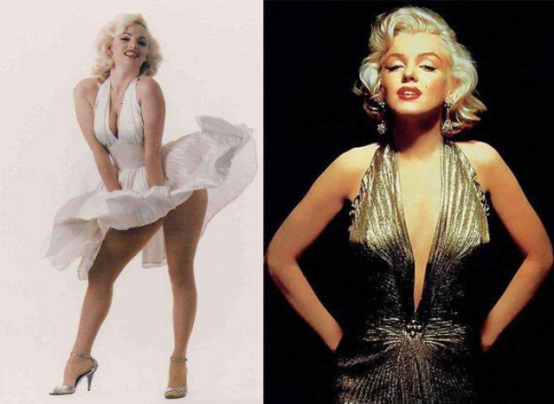
When discussing the inextricable link between Hollywood glamour and high-end gems, all roads lead back to Marilyn Monroe. Her iconic performance of “Diamonds Are a Girl’s Best Friend” in the 1953 classic film Gentlemen Prefer Blondes did more than just entertain; it fundamentally altered the trajectory of the global jewelry market. Monroe became the ultimate ambassador for the diamond industry, cementing the narrative that fine jewelry is the ultimate symbol of love, status, and feminine empowerment.
The Cultural Shift in Diamond Marketing
Before Monroe’s cinematic triumph, diamonds were certainly valuable, but they lacked the ubiquitous cultural necessity they hold today. De Beers and other major diamond syndicates capitalized on Monroe’s dazzling on-screen persona to push the idea that diamonds were an essential luxury. The psychological impact of seeing the world’s biggest star draped in sparkling stones created an aspirational desire that transcended social classes.
- Aspirational Branding: Monroe’s image transformed diamonds from mere geological rarities into essential markers of romantic commitment and personal success.
- The Moon of Baroda: During the promotional tour for the film, Monroe famously wore the Moon of Baroda, a stunning 24.04-carat pear-shaped yellow diamond. This piece not only highlighted her star power but also demonstrated how celebrity association could exponentially increase a gemstone’s historical and monetary value.
- Modern Echoes: Today’s celebrity jewelry endorsements are direct descendants of the Monroe-diamond synergy. Brands understood early on that a gemstone’s brilliance is magnified tenfold when worn by a cultural icon.
The legacy left by Marilyn Monroe is still visible in every major jewelry campaign today. When modern pop stars and actresses wear millions of dollars worth of diamonds, they are participating in a tradition of glamorous display that Monroe perfected over half a century ago.

The Hidden World of Red Carpet Jewelry Exclusives
Have you ever watched a major awards show, fallen in love with a spectacular necklace worn by a leading actress, and then tried to find it in a retail store? You likely discovered that it was completely impossible to purchase. The jewelry worn on the red carpet exists in a highly exclusive, parallel economy that is entirely separate from consumer retail markets.
Why These Pieces Aren’t in Retail Stores
The primary reason you cannot find red carpet jewelry in standard boutiques is that these pieces are often one-of-a-kind, archival, or custom-made masterpieces. High jewelry houses like Cartier, Bulgari, and Harry Winston use the red carpet as a global runway for their most ambitious, unrepeatable creations.
These magnificent pieces are not designed for mass production. Instead, they serve as the ultimate manifestation of a brand’s craftsmanship, designed specifically to capture the flashing lights of the paparazzi and the attention of the global press. Producing multiples of these items would dilute their exclusivity and astronomical value.
The Anatomy of a Brand Loan
The relationship between a celebrity and a jewelry house is a complex, highly negotiated business arrangement. Stylists work with luxury brands months in advance to secure the perfect pieces for their clients. In most cases, the jewelry is not owned by the celebrity; it is temporarily loaned under incredibly strict conditions.
- Insurance and Security: Loaned pieces are insured for millions of dollars. It is standard practice for undercover security guards to accompany the celebrity throughout the evening, ensuring the safe return of the items the moment the event concludes.
- Pay-to-Wear Contracts: In some high-stakes scenarios, top-tier celebrities are actually paid hundreds of thousands of dollars simply to wear a specific brand’s jewelry on the red carpet. This shifts the dynamic from a simple loan to a highly lucrative endorsement deal.
- Archival Vaults: Once the event is over, these exclusive pieces usually return to the brand’s heavily guarded archives. They may be sold privately to elite collectors, but they rarely, if ever, see the inside of a public retail display case.

Why the Rich and Famous Invest Heavily in Fine Jewelry
Beyond the blinding flashbulbs and glamorous parties, fine jewelry serves a highly pragmatic purpose for the world’s elite: it is one of the most stable and lucrative alternative asset classes available. For celebrities and the ultra-wealthy, buying high-end jewelry is rarely just about aesthetics; it is a calculated financial strategy designed to preserve and grow wealth across generations.
Wealth Preservation and Portability
In an unpredictable global economy, traditional fiat currencies and stock markets can be highly volatile. Fine jewelry, particularly pieces featuring rare, unheated colored gemstones and flawless diamonds, acts as a powerful hedge against inflation. Unlike real estate or large art installations, jewelry offers an unmatched level of portability. Millions of dollars of wealth can be transported across international borders in a single velvet box or worn discreetly on a finger.
Furthermore, the intrinsic value of precious metals and rare stones rarely depreciates. As diamond mines become depleted and the demand for colored gemstones like Burmese rubies and Kashmir sapphires increases, the baseline value of these materials continues to climb steadily year over year.
The “Provenance” Premium in Auctions
When a celebrity purchases and wears a piece of jewelry, they are actively increasing its future resale value. In the world of high-end auctions at houses like Christie’s and Sotheby’s, this is known as “provenance.” The documented history of an item’s ownership can multiply its auction estimate exponentially.
Consider the auction of Elizabeth Taylor’s jewelry collection, which shattered records by grossing over $115 million. Buyers were not just paying for the carat weight of the stones; they were paying a massive premium to own a piece of Hollywood history. Celebrities understand this mechanism perfectly. By acquiring magnificent pieces today, they are effectively creating historical artifacts that will yield massive returns for their estates in the future.

Inside the Oscars: The Ultimate Celebrity Jewelry Showcase
The Academy Awards represent the absolute zenith of the celebrity jewelry ecosystem. No other event on the planet commands the same level of global attention, making the Oscars red carpet the most valuable advertising space in the luxury jewelry industry. The pieces debuted here are not just accessories; they are the main event, often carrying price tags that dwarf the production budgets of the films being celebrated.
Historical Oscar Jewelry Moments
Throughout history, the Oscars have provided the backdrop for some of the most breathtaking jewelry reveals of all time. Brands spend the entire year preparing for this single night, carefully selecting which stones will be set and which stars will have the honor of wearing them.
- Lady Gaga and the Tiffany Yellow Diamond: In 2019, Lady Gaga wore the legendary 128.54-carat Tiffany Yellow Diamond. Previously worn by Audrey Hepburn for the promotion of Breakfast at Tiffany’s, the stone’s appearance at the Oscars was a monumental PR victory that dominated global headlines.
- Gloria Stuart’s Heart of the Ocean: At the 1998 Oscars, Gloria Stuart wore a $20 million blue diamond necklace inspired by the “Heart of the Ocean” from the movie Titanic. It remains one of the most expensive pieces ever worn to the ceremony.
- Charlize Theron’s Chopard Diamonds: Consistently a red carpet favorite, Theron has walked the Oscars wearing tens of millions of dollars in Chopard diamonds, perfectly illustrating the symbiotic relationship between a flawless celebrity muse and a master jeweler.
The Security Protocols Behind the Sparkle
Because the cumulative value of jewelry on the Oscars red carpet routinely exceeds hundreds of millions of dollars, the security operations are akin to a military deployment. Armored vehicles transport the pieces to the hotels where stars are getting ready. Dedicated “jewelry guards” dress in tuxedos to blend in with the celebrity entourages, keeping a watchful eye on every necklace, bracelet, and earring. If a clasp comes loose or a piece is removed, the guard is immediately there to secure the asset. This invisible shield of security is a necessary reality when dealing with such astronomical wealth.

Notorious Celebrity Jewelry Thefts That Shocked the World
The intense public fascination with celebrity jewelry inevitably attracts a darker element. Because these pieces represent concentrated, portable wealth, celebrities frequently become the targets of highly organized, sophisticated criminal syndicates. Over the years, several high-profile jewelry heists have shocked the world, exposing the vulnerabilities that come with flaunting immense wealth on a global stage.
High-Profile Heists and Their Aftermath
When a celebrity is robbed, the sheer value of the stolen goods often ranges in the tens of millions. These are rarely crimes of opportunity; they are meticulously planned operations executed by seasoned professionals who track their targets through social media and public appearances.
The aftermath of these thefts is devastating. Beyond the financial loss—which is often only partially covered by complex insurance policies—the psychological trauma forces celebrities to drastically alter how they interact with the public and how they display their wealth.
| Celebrity / Event | Location | Estimated Loss | Details of the Heist |
|---|---|---|---|
| Kim Kardashian | Paris, France (2016) | $10 Million+ | Armed robbers bound and gagged the reality star in her private hotel residence, stealing her massive engagement ring and a box of other high-end pieces. |
| Cannes Film Festival | Cannes, France (2013) | $136 Million | In a brazen daytime heist at the Carlton Hotel, a lone gunman stole a massive cache of Leviev diamonds meant to be worn by stars on the red carpet. |
| Paris Hilton | Los Angeles, USA (2008) | $2 Million | Targeted by the notorious “Bling Ring,” a group of teenagers who tracked her movements via celebrity gossip blogs to burglarize her home while she was away. |
These shocking events have forever changed the landscape of celebrity security. Today, many stars refuse to keep their authentic pieces in their homes, opting instead to store them in bank vaults. When traveling, they frequently rely on high-grade replicas, leaving the genuine multi-million dollar stones secured thousands of miles away.

Behind the Glamour: Lesser-Known Facts About Celebrity Jewelry
The dazzling images we see in magazines and on television screens are carefully curated illusions. The reality of celebrity jewelry involves a labyrinth of legal contracts, clever deceptions, and intense physical demands that the general public rarely considers. To truly understand this world, one must look behind the velvet ropes.
Replicas and Decoys on the Red Carpet
It is a closely guarded industry secret that the jewelry you see on a celebrity is not always what it appears to be. Due to the severe security risks highlighted by recent heists, many celebrities and jewelers have turned to high-quality replicas. A star might pose on the red carpet wearing a necklace featuring cubic zirconia and heavily plated silver, while the authentic diamond and platinum version rests safely in a subterranean vault.
These “stunt doubles” for jewelry are crafted with such precision that even trained gemologists cannot tell the difference through a camera lens. This practice ensures the brand gets the visual marketing impact they desire without risking a devastating financial loss.
Financial Arrangements and Pay-to-Wear Contracts
The illusion that celebrities simply choose their favorite pieces from a designer’s collection is largely a myth. The modern red carpet is a fiercely competitive commercial battlefield. Jewelry houses allocate massive budgets to secure top talent. A major A-list actress nominated for an Academy Award might receive a contract offering hundreds of thousands of dollars to exclusively wear one brand’s earrings and necklace for the evening.
- Exclusivity Clauses: These contracts are ironclad. If a star agrees to wear Chopard, they are strictly forbidden from mixing in a ring from Cartier or a bracelet from Tiffany & Co.
- Social Media Deliverables: Modern agreements also dictate how the jewelry must be showcased online. The celebrity is often contractually obligated to post specific, tagged close-up photos of the jewelry to their millions of Instagram followers.
- The Stylist’s Cut: Celebrity stylists, the powerful architects of these red carpet looks, also receive substantial commission fees from the jewelry brands for brokering these lucrative placements.
Ultimately, celebrity jewelry is a multi-billion dollar ecosystem where art, commerce, and security intersect in the most glamorous way possible. Every sparkling diamond tells a story of intense negotiation, historical legacy, and calculated financial strategy.
Frequently Asked Questions (FAQ)
- Why do celebrities rarely wear their own jewelry on the red carpet?
- Celebrities usually borrow jewelry for major events because high jewelry houses want to use the red carpet as a marketing platform for their newest, most expensive, and exclusive pieces. Additionally, borrowing pieces allows celebrities to wear multi-million dollar items without the financial burden of purchasing and insuring them permanently.
- Do celebrities get paid to wear jewelry to award shows?
- Yes, in many cases, top-tier A-list celebrities sign highly lucrative “pay-to-wear” contracts. Jewelry brands will pay hundreds of thousands of dollars to a star to exclusively wear their pieces, as the global media exposure generated translates directly into massive brand prestige and future sales.
- What happens if a celebrity loses or damages a loaned piece of jewelry?
- Every piece of loaned jewelry is backed by an ironclad, multi-million dollar insurance policy. If a piece is damaged or lost, the insurance company conducts a rigorous investigation. However, to prevent this, brands deploy undercover security guards who shadow the celebrity for the entire duration of the event to ensure the jewelry remains safe.
- Why is celebrity provenance so important in jewelry auctions?
- Provenance refers to the documented history of an item’s ownership. When a famous individual owns a piece of jewelry, it acquires cultural and historical significance. Collectors are willing to pay a massive premium—sometimes double or triple the intrinsic value of the stones—simply to own a piece of history associated with a beloved cultural icon.
- Are the diamonds worn by celebrities always real?
- Not always. Due to increasing security concerns and the threat of targeted heists, many celebrities and brands now utilize high-grade replicas or “stunt jewelry” for public appearances. These pieces look identical to the real items on camera, but the authentic, highly valuable stones remain securely locked in a bank vault.

Style Guide Editorial Desk
Independent editorial desk for wardrobe, shoes, bags, beauty, jewelry, and style-history notes.


