Unveiling Chatoyancy: The Science Behind the Magical Glow
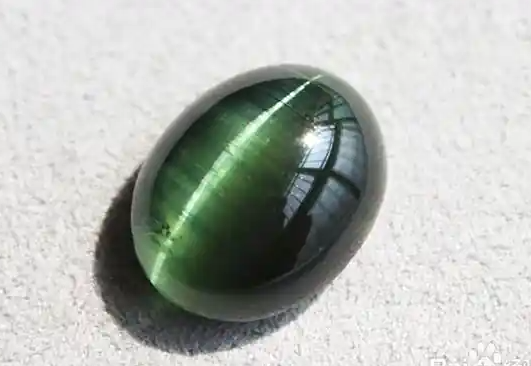
The captivating allure of a cat’s eye gemstone lies in its mysterious, glowing slit of light that seems to glide across the surface of the stone as it moves. This magical optical phenomenon is known in gemology as chatoyancy, derived from the French phrase “oeil de chat,” meaning “eye of a cat.” To truly appreciate the value and beauty of these gemstones, one must first understand the intricate microscopic world that exists within the stone. Chatoyancy is not a surface reflection; it is a complex interaction between light and the internal structure of the mineral itself, requiring a perfect storm of geological conditions to manifest.
The Role of Parallel Inclusions
At the heart of the chatoyant effect are microscopic, needle-like inclusions trapped within the gemstone during its formation millions of years ago. In the case of the most famous cat’s eye stones, these inclusions are typically fine hollow tubes or crystalline needles of the mineral rutile (titanium dioxide). For the magical glow to appear, these needles must align perfectly parallel to one another throughout the crystal structure. When a direct light source strikes the stone, the light rays are reflected at right angles to these parallel inclusions. This precise reflection creates a single, concentrated band of light that perfectly mimics the slit pupil of a feline predator. If the inclusions are scattered or intersect at random angles, the chatoyant effect will not occur, resulting instead in a cloudy or heavily included stone with no distinct optical phenomenon.
- Density of Inclusions: The needles must be dense enough to reflect a solid band of light, but not so dense that they render the gemstone completely opaque.
- Alignment Precision: The sharper the parallel alignment of the rutile needles, the sharper and more defined the resulting “eye” will be.
- Light Source Dependency: The effect is most dramatically observed under a single, direct light source, such as sunlight or a penlight. Diffused lighting will weaken the appearance of the eye.
How the Cabochon Cut Maximizes the Effect
Nature provides the raw materials for chatoyancy, but human craftsmanship is required to bring the phenomenon to life. A faceted cut, with its many flat geometric planes, would completely shatter the single band of light. Therefore, a gem cutter (lapidary) must shape the rough stone into a cabochon—a highly polished, domed shape with a flat base. The lapidary must carefully orient the rough crystal so that the parallel inclusions run exactly parallel to the base of the cabochon. The domed top acts as a convex lens, capturing the light reflected from the microscopic needles and concentrating it into a sharp, brilliant line across the apex of the curve. The height of the dome is critical; a dome that is too high or too low will distort the focal point, resulting in a weak or blurry eye.
The Fascinating “Milk and Honey” Phenomenon
Beyond the simple reflection of light, top-tier cat’s eye gemstones display a highly sought-after secondary optical effect known as the “milk and honey” effect. When a high-quality chatoyant stone is illuminated by a direct light source from the side, the half of the stone facing the light will take on a rich, translucent honey-yellow color, while the side facing away from the light will appear milky white. As the light source is moved over the stone, these colors switch sides seamlessly. This dual-tone appearance is considered the hallmark of a truly exceptional cat’s eye gemstone and is a major determining factor in its ultimate market value.

Chrysoberyl Cat’s Eye: The Pinnacle of Gemstone Miracles
While many different types of minerals can exhibit chatoyancy—including tourmaline, aquamarine, moonstone, and apatite—there is only one gemstone that reigns supreme in this category: the Chrysoberyl Cat’s Eye. In fact, the rules of gemological nomenclature dictate that if the term “Cat’s Eye” is used by itself without a prefix, it legally and professionally refers only to chrysoberyl. Any other stone must be explicitly named, such as “Tourmaline Cat’s Eye” or “Quartz Cat’s Eye.” Chrysoberyl is hailed as a priceless gem miracle not just for its optical superiority, but for a combination of extreme durability, stunning natural coloration, and profound geological rarity.
Why Chrysoberyl Claims the True “Cat’s Eye” Title
Chrysoberyl (beryllium aluminum oxide, BeAl2O4) possesses a unique crystal lattice that accommodates rutile inclusions with unparalleled perfection. The refractive index of chrysoberyl (1.746 to 1.755) is significantly higher than that of quartz or apatite. This high refractive index means that light travels through the stone and reflects off the internal needles with incredible brilliance and sharpness. The resulting “eye” in a chrysoberyl is typically razor-sharp, bright silvery-white, and appears to float just below the surface of the dome. When the stone is rotated between two light sources, the eye can appear to split into two bands that move apart and then merge back together, a mesmerizing visual trick known as the “opening and closing” effect.
Exceptional Durability: The Mohs Scale Advantage
One of the primary reasons chrysoberyl is so highly valued for jewelry is its remarkable hardness and durability. On the Mohs scale of mineral hardness, chrysoberyl scores an impressive 8.5. This places it just below sapphires and rubies (9) and diamonds (10). Many other chatoyant stones, like apatite (5) or glass-based fiber optics, are too soft for daily wear and will quickly become scratched, dulling the surface and ruining the chatoyant effect. Chrysoberyl’s extreme toughness means that a polished cabochon will retain its high-gloss finish and its razor-sharp eye for generations, making it an ideal choice for heirloom rings and high-end men’s jewelry.
Rarity and Geological Scarcity
The formation of chrysoberyl requires a highly unusual geological environment where both beryllium and aluminum are present, alongside the titanium needed for the rutile inclusions. Furthermore, these elements must cool and crystallize at the exact right temperature and pressure to allow the inclusions to align perfectly. This specific set of conditions is incredibly rare. Today, the finest chrysoberyl cat’s eyes are predominantly sourced from the gem gravels of Sri Lanka (historically known as Ceylon), particularly around the Ratnapura district. Smaller deposits exist in Brazil, Madagascar, and India, but the yield of gem-quality material with a distinct eye and desirable body color is astonishingly low, cementing its status as a highly coveted collector’s stone.

Evaluating the Value of a Cat’s Eye Gemstone
Because of its rarity, pricing a chrysoberyl cat’s eye is a complex process that relies on strict gemological criteria. Unlike faceted diamonds, which have standardized pricing charts, cabochon-cut phenomenal stones require a nuanced evaluation of the stone’s body color, the quality of the chatoyant band, and the overall transparency of the material. A slight variation in any of these factors can mean the difference between a stone worth a few hundred dollars and one worth tens of thousands of dollars per carat.
The Sharpness and Centering of the “Eye”
The most critical value factor is the quality of the eye itself. The band of light must be razor-sharp, not broad or blurry. It should stretch continuously from one end of the cabochon to the other without breaking, curving, or showing dead spots. Furthermore, when the stone is viewed directly from above, the eye must be perfectly centered across the apex of the dome. If the lapidary cut the stone slightly off-axis, the eye will sit to one side, drastically reducing the gemstone’s symmetry and market value. The eye should also exhibit a strong contrast against the body color of the stone, shining with a bright, silvery-white luminosity.
Color Grading: The Coveted Honey Yellow
While the eye provides the magic, the body color of the chrysoberyl provides the canvas. Chrysoberyl naturally occurs in a range of colors from pale yellow and greenish-yellow to deep brownish-green. The absolute pinnacle of color for a cat’s eye is a rich, warm, semi-transparent golden hue commonly referred to as “Honey.”
| Color Grade | Description | Market Value Impact |
|---|---|---|
| Honey Yellow | A rich, warm golden-brown hue. Best displays the milk and honey effect. | Highest Premium; extremely rare and coveted by collectors. |
| Apple Green | A bright, vibrant yellowish-green. Offers excellent contrast with the silvery eye. | High Value; highly sought after in modern jewelry designs. |
| Pale Yellow / Gray | Lighter, washed-out tones with less saturation. | Moderate Value; more common, often used in commercial jewelry. |
| Dark Brown / Opaque | Heavy, dark colors that obscure the internal light return. | Lower Value; lack of transparency diminishes the optical effect. |
Translucency vs. Opacity in Pricing
The final major piece of the valuation puzzle is the stone’s diaphaneity, or transparency. For the best optical effects to occur, the stone must have a delicate balance of inclusions. If there are too many inclusions, the stone becomes completely opaque, looking like a piece of polished plastic. If there are too few, the stone will be transparent, but the eye will be incredibly weak. The ideal chrysoberyl cat’s eye is highly translucent; you should be able to see into the depths of the stone, allowing light to penetrate and glow from within, while still containing enough perfectly aligned silk to project a blindingly sharp eye.
Care, Maintenance, and Investment Potential
Owning a phenomenal gemstone like a chrysoberyl cat’s eye is both a privilege and a responsibility. While the stone’s inherent physical properties make it highly resilient, proper care is essential to ensure that the microscopic structures and the highly polished cabochon surface remain in pristine condition. Furthermore, understanding the market dynamics of these rare stones is crucial for those looking at their acquisition as a tangible asset.
Protecting Your Precious Gemstone
Despite its impressive 8.5 rating on the Mohs hardness scale, chrysoberyl is not indestructible. It can still be chipped or fractured by a hard, sudden blow. Because cat’s eye stones are cut as cabochons with a high dome, they are naturally more exposed to physical impact than a faceted stone set low in a bezel. When cleaning your cat’s eye, avoid harsh chemicals or ultrasonic cleaners, as extreme vibrations could theoretically exacerbate microscopic internal fissures. The safest and most effective cleaning method is simply using warm, soapy water and a soft-bristled brush. Store the gemstone separately from harder stones like diamonds or sapphires to prevent surface scratches that could dull the sharp reflection of the eye.
Market Trends and Collector Demand
From an investment standpoint, fine quality chrysoberyl cat’s eyes have shown consistent historical appreciation. Because no new major deposits of high-quality rough have been discovered in recent decades, the supply remains strictly limited. Demand, however, continues to rise, particularly in Asian markets where the stone is deeply revered in Vedic astrology (representing the descending lunar node, Ketu) and is believed to ward off evil and bring immense wealth. Stones over 5 carats that exhibit a sharp eye, high translucency, and the coveted honey color are considered auction-grade masterpieces, often commanding prices that rival high-quality colored diamonds and unheated rubies.
Frequently Asked Questions (FAQ)
- What is the difference between a Cat’s Eye and a Tiger’s Eye?
- While both stones exhibit chatoyancy, they are fundamentally different. Tiger’s Eye is a variety of macrocrystalline quartz characterized by its golden to red-brown color and silky luster, caused by the parallel intergrowth of quartz crystals and altered amphibole fibers. It is opaque, highly abundant, and relatively inexpensive. A true Cat’s Eye is made of chrysoberyl, is highly translucent, extremely rare, much harder (8.5 vs. 7 on the Mohs scale), and projects a single, razor-sharp band of light rather than a broad, wavy shimmer.
- Can chatoyancy be synthetically created or faked?
- Yes. The market is flooded with synthetic cat’s eye stones, most commonly made from fiber-optic glass (often called “cat’s eye glass” or “cathay stone”). These fakes display an unnaturally bright, overly perfect eye and often come in unnatural colors like neon pink or bright blue. A trained gemologist can easily distinguish natural chrysoberyl from glass using magnification to look for natural inclusion patterns and measuring the stone’s refractive index.
- Why does the eye seem to move when I tilt the stone?
- The eye is not a physical line on the surface of the stone; it is an optical reflection of light bouncing off millions of internal parallel needles. As you tilt the stone or move the light source, the angle of reflection changes. Your eye picks up the light bouncing off a different set of needles along the curve of the cabochon, creating the illusion that the slit of light is gliding across the surface.
- Does the size of the gemstone affect the chatoyant effect?
- The size (carat weight) does not inherently change the physics of the chatoyant effect, but a larger cabochon provides a broader surface area for the eye to be displayed. In larger stones (over 3 carats), a perfectly sharp and continuous eye is exceptionally rare, which is why the price per carat increases exponentially for larger, high-quality chrysoberyl cat’s eyes.