
In the realm of men’s fashion, accessories are not merely afterthoughts; they are the architectural details that define a silhouette and communicate a wearer’s personality, status, and attention to detail. This guide delves into three pillars of the classic wardrobe: the Panama hat, the tie clip, and the necktie. Each carries a rich history and a specific set of rules that, when mastered, elevate a simple outfit into a statement of sophisticated intent.
Panama Hats: The Pinnacle of Summer Elegance and Practicality
The Panama hat is a paradox of fashion history. Despite its name, this iconic straw hat originated in Ecuador, where artisans have spent centuries perfecting the art of weaving the fibers of the Toquilla palm (Carludovica palmata). The misnomer gained global traction during the construction of the Panama Canal, where the hats were popularized by workers and famously worn by President Theodore Roosevelt during his visit to the site.
The Art of Toquilla Straw Weaving
The quality of a Panama hat is determined by the density of its weave. Skilled weavers in towns like Montecristi and Cuenca work in specific humidity conditions to prevent the fibers from becoming brittle. The process involves splitting the palm fronds into thin threads; the thinner the thread, the higher the “fino” grade of the hat. A “Superfino” hat can take months to complete and is so supple it can be rolled through a wedding ring without losing its shape.
Functional Benefits for the Modern Traveler
Beyond its aesthetic appeal, the Panama hat offers unparalleled practical benefits during the warmer months. The natural straw provides a lightweight, breathable barrier against UV rays, significantly reducing the risk of heatstroke and sun damage. Unlike synthetic hats, the porous nature of the Toquilla fiber allows for heat dissipation, keeping the wearer cool even in tropical climates.

The Intricate Craftsmanship Behind Genuine Panama Hats
To appreciate a Panama hat is to understand the labor-intensive stages of its creation. Every hat begins in the coastal lowlands of Ecuador. Once the raw straw is harvested, it is boiled and dried before being meticulously hand-woven. This section explores the technical specifications that differentiate a mass-produced straw hat from a genuine Ecuadorian masterpiece.
Grading Systems and Weave Density
The industry uses various systems to measure quality, often counting the number of weaves per linear inch (WPI). A standard commercial hat might have a WPI of 10-12, whereas a museum-quality Montecristi can exceed 30 WPI. This density not only affects the texture and “hand” of the hat but also its durability and ability to hold a crisp shape over years of use.
Identifying Authentic Ecuadorian Production
Authentic Panama hats often feature a “rosetta” at the center of the crown—a circular pattern where the weaving began. Furthermore, genuine Ecuadorian hats are usually finished with a back-weave on the brim, ensuring the edges do not fray. When purchasing, look for the “Hecho en Ecuador” stamp or certification from reputable weaving cooperatives.

Essential Tie Clip Etiquette for the Modern Gentleman
The tie clip, or tie bar, is a functional accessory designed to solve a simple problem: keeping a necktie from flapping in the wind or falling into one’s soup. However, its placement and style are governed by strict sartorial rules that separate the amateur from the connoisseur. It is a tool of precision that adds a horizontal anchor to the vertical lines of a suit.
The Golden Rule of Placement
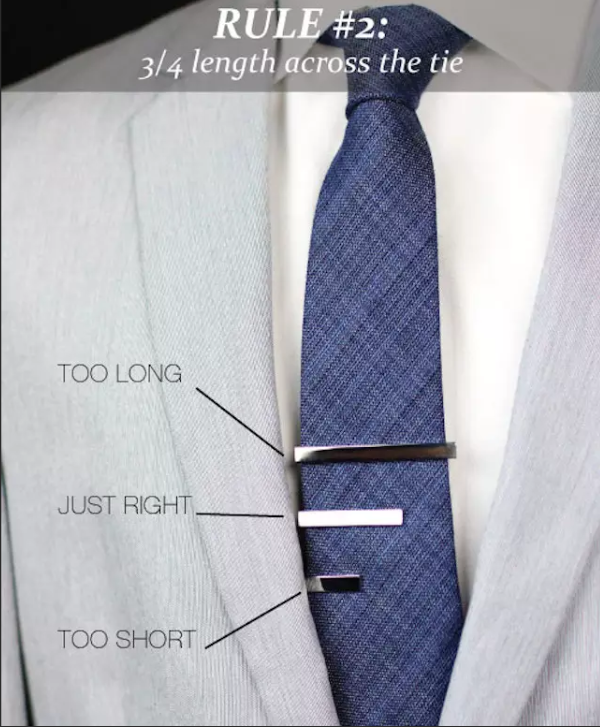
The most common mistake men make with tie clips is improper vertical positioning. The “Golden Zone” for a tie clip is between the third and fourth buttons of your dress shirt. Placing it too high renders it ineffective and visually jarring, while placing it too low hides it beneath the jacket’s lapels or the “V-zone” of the suit.
Width and Proportions
A tie clip should never be wider than the tie itself. Ideally, the clip should span approximately 70% to 80% of the tie’s width. For modern “skinny” ties, a shorter tie bar is required. If the clip extends past the edge of the tie, it disrupts the clean lines of the ensemble and is considered a fashion faux pas.

Selecting the Perfect Tie Clip Material and Design
The choice of material for a tie clip should be dictated by the other metals in your outfit. Consistency is key to a cohesive appearance. If you are wearing a silver watch and belt buckle, your tie clip should be silver or rhodium-plated. If your wedding band is gold, a gold tie bar is the appropriate companion.
Pinch Clasp vs. Slide-On Bar
There are two primary mechanisms for tie clips. The pinch clasp (spring-loaded) offers a secure grip and is ideal for thicker neckties made of wool or heavy silk. The slide-on bar is sleeker and better suited for thinner fabrics, as it reduces the risk of snagging or damaging delicate silk fibers. Always ensure the clip attaches both the tie and the shirt placket; clipping only the two ends of the tie together defeats the functional purpose.
Embellishments and Personalization
While a plain polished metal bar is the most versatile option, many gentlemen use tie clips to express personality. This can include subtle engravings, vintage motifs, or even novelty shapes. However, in professional boardrooms or black-tie events, the “less is more” philosophy should prevail, favoring understated elegance over flashy designs.
Finding Your Signature Style with Professional Neckties
The necktie is perhaps the most expressive element of the traditional male uniform. It is the first thing people notice and can communicate authority, creativity, or approachability. Developing a signature style involves understanding how different tie constructions and patterns interact with your physical features and the context of your environment.
The Anatomy of a Quality Necktie
A high-quality tie is defined by its shell, interlining, and tipping. 100% silk remains the gold standard for its luster and ability to hold a knot. The interlining, usually made of wool or a wool-blend, gives the tie its “memory,” allowing it to return to its original shape after being untied. A hand-rolled edge is a hallmark of luxury, indicating that the tie was crafted with care rather than mass-produced by a machine.
Choosing the Right Knot for the Collar
The knot you choose should be proportional to your shirt collar and your face shape. A Four-in-Hand knot is elongated and slightly asymmetrical, making it perfect for standard point collars and men with rounder faces. A Half-Windsor or Full-Windsor knot is more triangular and substantial, requiring a spread or cutaway collar to accommodate its bulk.

Fabric and Texture: The Foundations of Quality Neckwear
Texture is often overlooked in favor of color, but it plays a crucial role in the formality and seasonality of an outfit. A smooth silk tie is the standard for formal business, but as the seasons change, so should your fabric choices. Texture adds depth to an outfit, preventing a monochromatic look from appearing flat.
Seasonal Fabric Variations
| Season | Recommended Fabric | Visual Characteristic |
|---|---|---|
| Spring/Summer | Linen or Cotton Blends | Matte finish, light and airy, often in pastel tones. |
| Fall/Winter | Wool, Cashmere, or Tweed | Thick, tactile, and provides warmth; pairs well with heavy blazers. |
| Year-Round | Silk (Jacquard or Printed) | High sheen, versatile, and holds the most complex patterns. |
The Rise of the Knitted Tie
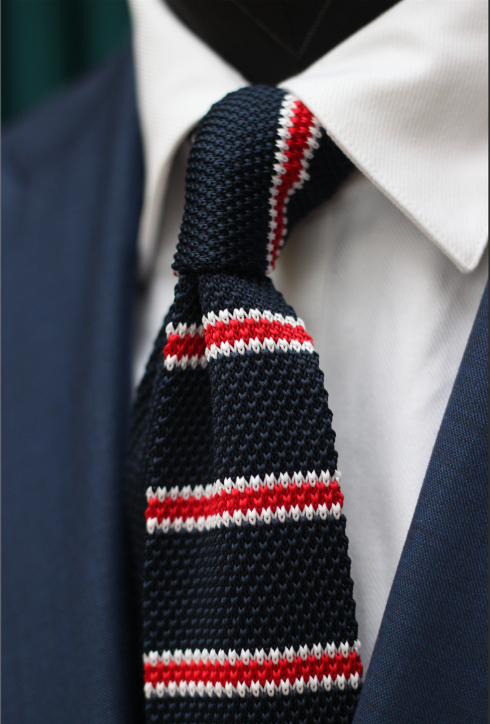
Knitted ties, recognizable by their square ends and crunchy texture, have seen a resurgence in “smart-casual” dressing. They bridge the gap between formal and relaxed, making them an excellent choice for creative offices or weekend events. Because they are less formal, they should generally be avoided at strictly conservative black-tie or corporate events.
The Role of Patterns and Colors in Personal Branding
Color theory and pattern matching are the final steps in mastering the necktie. The colors you wear can subconsciously influence how others perceive you. Red is often associated with power and energy (the “power tie”), while blue conveys trust, stability, and calm. Understanding these nuances allows you to tailor your appearance to the goals of your day.
Navigating Patterns: From Solid to Paisley
If you are new to accessorizing, start with solid colors or subtle textures like a grenadine weave. As you become more comfortable, introduce patterns. The key to mixing patterns (e.g., a striped tie with a checked shirt) is to vary the scale. If your shirt has small checks, choose a tie with large, bold stripes. If the scales are too similar, they will clash and create a dizzying effect for the observer.
The Impact of the “Dimple”
A sign of a true style aficionado is the tie dimple—the small cleft just below the knot. Achieving a perfect dimple requires careful finger placement as you tighten the knot. It adds a three-dimensional quality to the tie, catching the light and demonstrating that you have taken the time to finish your look with precision.

Practical Sun Protection: Why the Panama Hat is a Summer Essential
While we often discuss the Panama hat in terms of style, its primary function remains protection. In an era where skin health is paramount, the wide brim of a Panama hat (typically 2.5 to 3 inches) provides critical shade for the ears, neck, and face—areas frequently missed by sunscreen application.
UPF Ratings in Natural Fibers
High-quality Toquilla straw has a natural Ultraviolet Protection Factor (UPF). A tightly woven “Fino” hat can offer a UPF rating of 50+, meaning it blocks over 98% of the sun’s harmful rays. This makes it an essential accessory for outdoor weddings, garden parties, or summer strolls, combining health consciousness with high fashion.
Breathability vs. Synthetic Alternatives
Many “straw” hats found in department stores are actually made of paper (Toyo) or plastic. These materials trap heat against the scalp, leading to discomfort and sweating. The organic fibers of a genuine Panama hat allow for natural air circulation, ensuring that the wearer remains comfortable even in high humidity. This thermal regulation is why the Panama hat has remained the preferred headwear of the tropics for over a century.

Coordinating Accessories for Formal and Semi-Formal Events
The challenge of accessorizing lies in the coordination of multiple elements. When wearing a Panama hat, a tie, and a tie clip simultaneously, balance is essential. You want to avoid looking like you are wearing a costume. The goal is a look that feels effortless, even if it was meticulously planned.
The Rule of One Bold Element
If your Panama hat has a brightly colored ribbon, keep your tie and pocket square more muted. Conversely, if you are wearing a bold, patterned tie, your hat should be a classic ivory or bleached white with a traditional black band. Accessories should complement each other, not compete for attention. Use the tie clip as the subtle anchor that holds the visual center of the outfit together.
Matching Accessories to the Occasion
- Summer Weddings: A bleached Panama hat, a light blue silk tie, and a simple silver tie clip.
- Corporate Boardrooms: Skip the hat; choose a dark navy or burgundy tie with a high-polish rhodium tie bar.
- Casual Fridays: A knitted tie with a slide-on tie bar and no hat, or a Panama hat paired with a linen shirt and no tie.

Maintenance and Storage: Preserving Your Investment
High-quality accessories are investments that can last a lifetime if properly maintained. Neglect can lead to permanent damage, especially with natural fibers like silk and Toquilla straw. Following a strict care regimen ensures that your accessories remain in “like-new” condition for decades.
Panama Hat Care and Handling
Never pick up a Panama hat by the pinch of the crown. This is the most common cause of cracking in the straw. Instead, always handle the hat by the brim. To maintain its shape, store it in a cool, slightly humid place; if the straw becomes too dry, it becomes brittle. You can lightly mist the underside of the brim with water occasionally to maintain flexibility.
Necktie and Tie Clip Maintenance
Always untie your necktie after each use; leaving it knotted will permanently crease the fabric and ruin the interlining. Hang them on a dedicated tie rack or roll them loosely in a drawer. For tie clips, wipe them down with a microfiber cloth after wearing to remove skin oils and prevent tarnishing. Store them in a lined jewelry box to avoid scratches to the metal surface.

The Evolution of Men’s Fashion Accessories through the Decades
The journey of these accessories reflects broader shifts in society and masculinity. From the rigid formalities of the early 20th century to the “Peacock Revolution” of the 1960s and the minimalist trends of today, the Panama hat, tie clip, and necktie have adapted while retaining their core identities.
From Necessity to Choice
In the 1920s, a man would not leave his house without a hat and a tie; it was a matter of social requirement. Today, wearing these items is a choice—a way to signal a commitment to classic standards in an increasingly casual world. This shift has actually increased the “style capital” of these accessories, as they now represent a deliberate aesthetic decision rather than mere conformity.
The Future of Classic Accessories
As we move toward more sustainable fashion, the Panama hat stands as a model for eco-friendly production, being entirely biodegradable and handmade. The tie and tie clip continue to evolve through new materials and 3D-printing technologies, ensuring that while the silhouettes remain classic, the craftsmanship stays at the cutting edge of the 21st century.
Frequently Asked Questions (FAQ)
- Q1: Can I wear a Panama hat with a formal suit?
- Yes, but it is most appropriate for daytime formal events in warm weather, such as summer weddings or horse races. For evening events or strictly corporate settings, a Panama hat is generally considered too casual.
- Q2: Is it okay to wear a tie clip with a waistcoat (vest)?
- No. The primary purpose of a tie clip is to hold the tie in place. A waistcoat already performs this function. Wearing both is considered redundant and creates unnecessary visual clutter in your outfit.
- Q3: How do I clean a genuine Panama hat if it gets stained?
- Use a damp cloth with a very small amount of mild facial soap. Gently wipe the stain in the direction of the weave. Never submerge the hat in water, as this will cause the straw to swell and lose its shape permanently.
- Q4: How long should my necktie be when tied?
- The tip of your necktie should ideally rest right at the center of your belt buckle. If it hangs below the belt or sits several inches above it, the proportions of your torso will look off-balance.
- Q5: Can I wear a tie clip on a knitted tie?
- Yes, but use a pinch clasp rather than a slide-on bar. Knitted ties have a bumpy, uneven surface that makes slide-on bars prone to slipping off. Ensure the clasp doesn’t pull the delicate knit loops.


