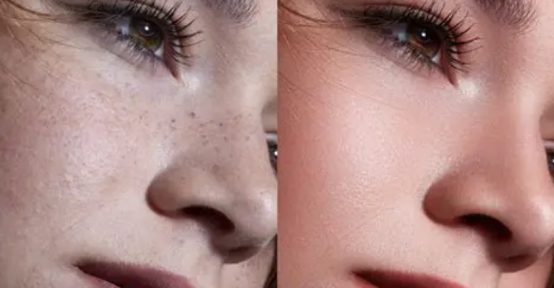
The Impact of Digital Filters on Self-Perception
In the modern digital landscape, the ubiquity of beauty filters has fundamentally altered how we define “normal” skin. High-definition cameras combined with algorithmic smoothing have created a standard of perfection that is biologically impossible to achieve. This shift has profound implications for individual self-esteem and the collective perception of natural beauty.
The Mechanism of Algorithmic Perfection
Digital filters do not simply brighten images; they perform complex facial geometry reconstruction. By blurring pores, evening out skin tone, and subtly altering facial proportions, these tools create a “digital mask.” Over time, frequent exposure leads to Snapchat Dysmorphia, where users struggle to reconcile their actual reflection with the polished, filtered version seen on screen.
- Pore Eradication: The removal of natural skin texture leads to an unrealistic expectation of “glass skin” in real life.
- Color Correction: Artificial adjustment of skin tones often erases natural variations, leading to a homogenized standard of beauty.

The Psychological Healing of Bare-Faced Makeup
Moving away from the pressure of perfection, the bare-faced movement represents a radical act of self-acceptance. It is not necessarily about abandoning cosmetics entirely, but about shifting the intention behind them—moving from a place of “correction” to a place of “expression.”
Redefining Beauty as Authenticity
When individuals choose to embrace their natural skin, they engage in a psychological process of detaching self-worth from external validation. This transition often results in a significant reduction in social anxiety and a heightened sense of personal agency.
| Aspect | Filtered Aesthetic | Bare-Faced Aesthetic |
|---|---|---|
| Focus | External Validation | Internal Harmony |
| Skin Perception | Imperfection as a flaw | Imperfection as human |
| Mental Load | High (Maintenance/Comparison) | Low (Acceptance) |

Strategies for Cultivating a Healthy Beauty Mindset
To break free from the cycle of digital comparison, one must implement conscious strategies. This involves both technical habits and psychological reframing to prioritize mental health over digital aesthetics.
Practical Steps Toward Digital Detox
- Audit Your Feed: Unfollow accounts that rely heavily on heavy-handed editing and prioritize those that showcase diverse, natural skin textures.
- Mindful Mirroring: Practice looking at your skin in natural light without the intent to critique, focusing on skin health rather than aesthetic perfection.
- Purposeful Makeup: Use makeup to highlight features you love rather than hiding perceived “flaws.”

The Future of Authentic Beauty
As the digital landscape evolves, there is a growing movement toward radical transparency. Brands and influencers are increasingly incentivized to show unedited skin, signaling a cultural pivot that values reality over the manufactured ideal. This shift is essential for the long-term mental health of younger generations who are most susceptible to digital influence.
Frequently Asked Questions (FAQ)
- Q1: Why do digital filters cause anxiety?
- Filters create a cognitive dissonance between one’s real-world reflection and their digital avatar. This gap forces the brain to perceive natural features as “errors” that need fixing, fostering persistent dissatisfaction.
- Q2: Is wearing makeup incompatible with the “bare-faced” movement?
- No. The movement is about the psychology of choice. If makeup is used to enhance natural features rather than mask them to meet impossible standards, it remains an act of self-expression.
- Q3: How can I start feeling more confident without filters?
- Start by limiting screen time on image-heavy apps and practice positive affirmations regarding your skin’s health and functionality rather than its aesthetic uniformity.
- Q4: What is the long-term impact of normalized digital beauty?
- Long-term exposure to filtered content can lead to lower body satisfaction, increased rates of social anxiety, and a distorted understanding of natural human aging and skin texture.


